Dark Kids
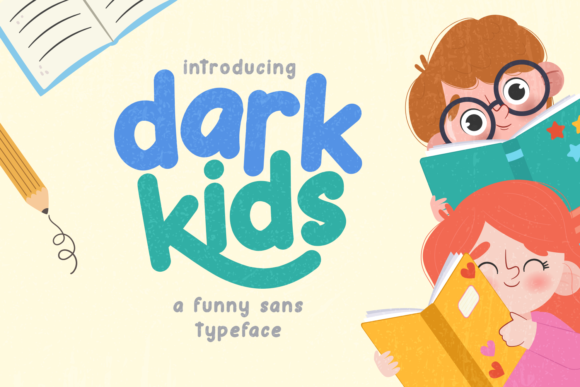
When you are designing something that needs to feel warm, inviting, and undeniably human, the choice of typography can make or break the entire project. Dark Kids is a display font that captures a specific energy: it is childish in its charm but polished in its execution. It conveys impeccable friendliness, making it an excellent candidate for projects ranging from children’s party invitations to cozy brand identities. However, like any typeface with such a distinct personality, using it effectively requires more than just dragging and dropping it onto a canvas. There are nuances to consider regarding legibility, context, and licensing that can turn a delightful design into a frustrating experience if overlooked.
Many designers rush to use fun, rounded fonts because they immediately signal approachability. While this instinct is often correct, it can lead to common pitfalls. Understanding what Dark Kids is—and what it isn’t—will help you avoid these traps and ensure your final output looks professional rather than amateurish.
Understanding the Vibe and Best Use Cases
Dark Kids is not a standard body text font. Its character shapes are soft, slightly irregular, and heavily stylized to evoke a sense of playfulness. This makes it ideal for headlines, titles, logos, and short bursts of text where emotional impact matters more than dense information delivery. If you are creating greeting cards, craft labels, social media graphics for hobbyist businesses, or presentation slides for a creative pitch, this font can become your go-to asset.
The font’s strength lies in its ability to soften serious topics. A marketing banner for a local bakery might feel too corporate with a sleek sans-serif, but with Dark Kids, the same message feels homemade and trustworthy. Similarly, educators might find it perfect for worksheets or classroom decor, as it mirrors the handwriting style many young students are learning to read.
However, the very traits that make it friendly also limit its scope. It is not designed for long-form reading. Attempting to set paragraphs of text in Dark Kids will result in eye strain and confusion. The irregularity of the letterforms, which gives the font its charm, becomes a barrier to readability when scaled down or used in large blocks. Recognizing this limitation early saves you from wasting hours on a layout that fails to communicate clearly.
Common Mistakes to Avoid
Even experienced creators can stumble when integrating playful fonts into their workflow. Here are some frequent errors and how to sidestep them.
- Overusing the Font: One of the most critical mistakes is letting Dark Kids take over the entire design hierarchy. When every element uses the same playful font, the design loses contrast and focus. The eye has no place to rest, and the message gets lost in the noise. Instead, pair Dark Kids with a neutral, highly legible sans-serif or serif font for supporting text. This creates a balanced composition where the headline grabs attention and the body text delivers the details.
- Neglecting Kerning and Spacing: Display fonts often have built-in spacing quirks. Because Dark Kids has a hand-drawn aesthetic, the default kerning might look uneven at different sizes. Always zoom in and check the space between letters, especially around characters with curves like 'o', 'e', and 'a'. Tight spacing can make the text look muddy, while loose spacing can break the cohesive "childish" charm. Adjusting tracking manually often yields a much cleaner result.
- Ignoring Licensing Restrictions: Not all fonts labeled as "free" allow for commercial use. Some may be free for personal projects only, requiring a paid license for business use, such as selling products or using the font in client work. Before downloading, always verify the license terms. Using a font without the proper rights can lead to legal issues and unexpected costs later. Look for clear indicators of whether the font is open-source, Creative Commons, or proprietary.
- Choosing Low-Resolution Files: When downloading fonts, ensure you are getting high-quality vector files (like .OTF or .TTF) rather than low-res previews. Poor quality files can appear pixelated when printed or scaled up, ruining the crispness of the design. Always source fonts from reputable repositories or the official designer’s website to ensure you have the full character set and proper formatting.
Practical Tips for Better Implementation
To get the most out of Dark Kids, treat it as a special ingredient rather than the main course. Here are some actionable strategies to enhance your designs:
- Create Contrast Through Color: Since the font itself is visually busy, use color to ground it. Pair the playful black or dark gray of the font with soft pastels or bright primary colors depending on the mood you want to convey. Avoid using it against busy backgrounds; ensure there is enough negative space around the text so the unique shapes can breathe.
- Test Across Devices: If you are using Dark Kids for digital designs, test how it renders on different screens. Some web browsers or mobile devices may struggle with certain glyph variations, causing fallback fonts to appear unexpectedly. Embedding the font properly via CSS or converting text to outlines (for static images) can prevent these inconsistencies.
- Use It for Emotional Hooks: Reserve Dark Kids for the elements that need to connect emotionally with the viewer. Think of it as the visual equivalent of a smile. Use it for names, dates, celebratory messages, or brand mascots. Let other fonts handle the heavy lifting of information architecture.
Evaluating Your Choice
Before committing to Dark Kids for a major project, ask yourself a few questions. Does the audience expect formality or fun? If you are designing for a law firm or a medical clinic, this font is likely inappropriate regardless of its beauty. If you are targeting parents, teachers, artists, or families, it aligns perfectly with their expectations.
Additionally, consider the longevity of the trend. Playful fonts can sometimes feel dated if they rely too heavily on current internet aesthetics. Dark Kids strikes a good balance by being timeless in its simplicity, but it is still worth reviewing your brand guidelines to ensure it fits within a broader visual strategy. If your brand identity is rigid and minimalist, Dark Kids might clash. If your brand is eclectic and warm, it will shine.
Ultimately, typography is about communication. Dark Kids communicates joy, simplicity, and accessibility. By avoiding common pitfalls like overuse, poor spacing, and licensing oversights, you can harness its power effectively. Take the time to experiment with pairings, respect the limits of readability, and always prioritize the user’s experience. When done right, a single line of text in Dark Kids can transform a mundane design into a memorable interaction.
As you continue to explore typefaces, remember that the best font is the one that serves the message. Dark Kids is a versatile tool in your kit, capable of adding warmth to crafts, presentations, and digital content alike. With careful application and an eye for detail, it can indeed become your favorite go-to font, bringing a touch of friendliness to every occasion.