Road Hunter Font Review
When designing visual content for street culture, athletic brands, or bold editorial layouts, the choice of typography plays a pivotal role in communicating the intended message. Among the various typefaces available to designers, Road Hunter has emerged as a distinct option for those seeking a display font with a strong urban aesthetic. This article provides an objective evaluation of Road Hunter, examining its stylistic characteristics, ideal use cases, and practical considerations for designers and brand managers.
Understanding Road Hunter’s Design Identity
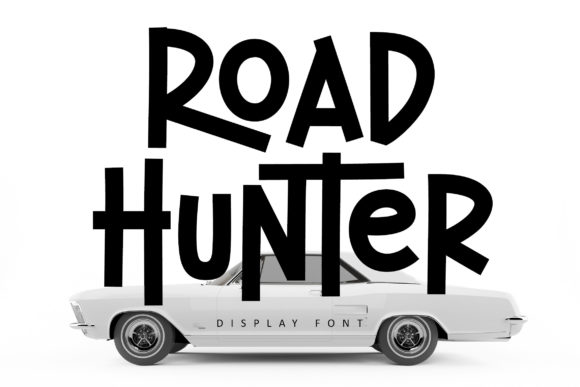
Road Hunter is classified as a bold-styled display font. Unlike text fonts designed for long-form readability, display fonts are engineered to capture attention at larger sizes. Road Hunter specifically channels a "street art" vibe, incorporating elements that suggest movement, grit, and raw energy. The letterforms often feature irregular edges, heavy weight, and a sense of spontaneity reminiscent of graffiti tags or stencil art found on city walls.
The font’s design language is intentionally aggressive and loud. It does not aim for subtlety or elegance but rather for immediate impact. This makes it particularly effective in contexts where the goal is to evoke feelings of rebellion, speed, youthfulness, or urban sophistication. For designers working within the constraints of limited space, such as social media graphics or packaging labels, Road Hunter’s high legibility at large scales ensures that the core message is understood instantly.
Primary Applications and Use Cases
Evaluating where a font fits best requires looking at specific industry verticals and design objectives. Road Hunter is not a universal tool; it excels in niche applications where its specific personality aligns with the brand identity.
Sportswear and Athletic Branding
In the sportswear industry, typography often mirrors the intensity of physical activity. Road Hunter’s bold strokes and dynamic feel make it a suitable candidate for:
- Athletic Apparel: Printing on t-shirts, hoodies, and performance wear where durability and style are paramount.
- Team Logos: Creating monograms or team names that require a sense of strength and competitiveness.
- Sports Event Posters: Headlines for tournaments, marathons, or extreme sports events.
Fashion and Streetwear
The intersection of fashion and street culture relies heavily on visual statements. Road Hunter fits naturally into designs for:
- Clothing Labels: Tags and hang-tags that need to stand out against fabric textures.
- Brand Identities: Logos for boutique streetwear brands aiming for an edgy, modern look.
- Lookbooks: Editorial spreads that emphasize attitude over traditional luxury.
Advertising and Promotional Materials
In advertising, the first few seconds determine engagement. Road Hunter can be utilized in:
- Digital Ads: Banner ads and social media stories where bold text competes with imagery.
- Posters and Flyers: Event promotions for concerts, club nights, or urban festivals.
- Merchandise: Limited edition drops where exclusivity and hype are key selling points.
Benefits of Choosing Road Hunter
Selecting a typeface involves weighing several factors. Here are the primary advantages associated with Road Hunter:
- High Visual Impact: The font’s bold nature ensures it grabs attention quickly. In crowded digital feeds or busy print environments, this visibility is crucial.
- Thematic Consistency: For projects rooted in urban culture, using a font that visually communicates this theme reduces the cognitive load on the viewer. The font itself tells part of the story before the text is even read.
- Versatility Within Niche: While specialized, Road Hunter offers enough variation in its character set to handle short headlines, quotes, and logos without feeling repetitive.
- Timeless Edge: Street art aesthetics have remained relevant for decades. A font that captures this essence avoids looking dated as quickly as trends that rely on fleeting digital effects.
Tradeoffs and Considerations
No single font is perfect for every scenario. Understanding the limitations of Road Hunter is essential for making an informed decision.
Limited Readability for Body Text
As a display font, Road Hunter is unsuitable for paragraphs of text. Its stylized features, such as uneven baselines or decorative cuts, hinder readability when scaled down. Designers must pair it with simpler, neutral sans-serif or serif fonts for any supporting copy. Failure to do so can result in a cluttered and difficult-to-read layout.
Narrow Audience Appeal
The aggressive, street-art style may clash with brands aiming for professionalism, minimalism, or corporate stability. Using Road Hunter for a law firm, a healthcare provider, or a financial institution would likely create a dissonance between the visual identity and the service offered. It is a tool for specific moods, not general communication.
Overuse Risks
Because the font is striking, there is a risk of visual fatigue if used excessively. Overusing bold, textured fonts can make a design feel chaotic or amateurish. Restraint is key; Road Hunter should serve as a headline accent rather than the dominant element across all touchpoints.
Alternatives to Consider
Depending on the specific nuance required, other fonts might offer better alignment with project goals. If Road Hunter feels too rough or informal, consider these alternatives:
- For a Cleaner Urban Look: Fonts like Helvetica Now Display or Arial Black provide boldness without the gritty texture, offering a more polished street-style appearance.
- For Hand-Drawn Authenticity: If the goal is to mimic actual graffiti writing rather than a structured typeface, brush-script fonts or custom calligraphy tools may be more appropriate.
- For Modern Minimalism: Geometric sans-serifs like Montserrat or Poppins in heavy weights can achieve a strong presence while maintaining high legibility and versatility.
Practical Decision-Making Insights
To determine if Road Hunter is the right choice for your project, ask the following questions:
What is the emotional tone? Does the brand want to convey energy, rebellion, and urban cool? If yes, Road Hunter is a strong contender. If the tone needs to be calm, trustworthy, or elegant, look elsewhere.
Where will the font be used? Is it primarily for large-scale displays, logos, and merchandise? Road Hunter thrives in these contexts. If the font needs to be used for small UI elements or dense informational text, it will likely fail.
How will it be paired? Successful design relies on contrast. Ensure you have a plan for pairing Road Hunter with complementary fonts that balance its intensity. A simple, clean secondary font will help ground the design and improve overall hierarchy.
Conclusion
Road Hunter is a specialized tool in the designer’s arsenal, defined by its bold styling and street art inspiration. It offers significant benefits for projects in sportswear, fashion, and urban advertising, providing immediate visual impact and thematic relevance. However, its utility is bounded by its lack of versatility for body text and its narrow appeal to non-corporate audiences.
For designers evaluating typefaces, Road Hunter represents a compelling option when the goal is to create a memorable, high-energy identity. By understanding its strengths and limitations, and by pairing it strategically with other typographic elements, users can leverage Road Hunter to create designs that resonate with contemporary urban aesthetics. Ultimately, the decision to use Road Hunter should be driven by a clear alignment between the font’s aggressive character and the brand’s desired voice.