Rothe Font Review: Is This Bold Display Typeface Right for Your Project?
Choosing the right typeface is rarely just about picking something that looks "cool." It is a strategic decision that impacts readability, brand perception, and overall user experience. When designers and marketers look for a font that commands attention, they often stumble upon Rothe. Described as bold, assertive, and fun, this display font offers a distinct visual personality that can elevate a design from ordinary to unforgettable. However, its imposing nature means it requires careful handling. Using Rothe incorrectly can lead to cluttered layouts, poor readability, and a diluted message.
This guide explores what makes Rothe unique, common pitfalls associated with its use, and practical advice on how to integrate it effectively into your creative workflow. Whether you are a seasoned graphic designer or a small business owner creating your own social media graphics, understanding the nuances of this typeface will help you make better decisions.
Understanding the Rothe Typeface
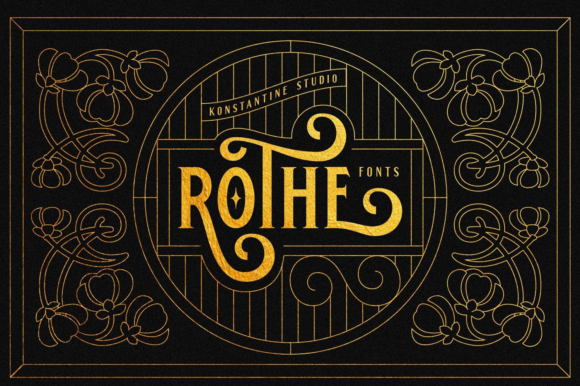
Rothe is not a subtle font. It is designed to be seen. Its defining characteristic is its boldness—it does not whisper; it shouts in a controlled, stylish manner. The letters feature unique shapes that give them character, setting them apart from standard geometric sans-serifs or traditional serif fonts. This distinct touch makes it ideal for projects where you need to grab the viewer’s eye immediately.
The font’s versatility lies in its balance between being assertive and fun. While it has weight and presence, it avoids feeling stiff or corporate. This duality allows it to match a wide range of creations, from energetic startup logos to playful blog headers. However, because it is so visually dominant, it demands respect in terms of hierarchy and spacing.
Why Designers Are Choosing Rothe
In an era of content saturation, standing out is difficult. Rothe provides an immediate solution for visibility. Here is why it has gained traction among creators:
- Immediate Impact: Its bold weight ensures legibility even at smaller sizes or from a distance, making it perfect for posters and banners.
- Unique Character: The uniquely shaped letters add a layer of sophistication and modernity without requiring additional graphical elements.
- Versatility: Despite its strong personality, it pairs well with neutral backgrounds and simple imagery, allowing the text to remain the focal point.
Common Mistakes When Using Rothe
Even experienced designers can fall into traps when working with high-impact display fonts like Rothe. These errors often stem from underestimating the font's visual weight or misunderstanding its role in a composition. Let’s look at some frequent missteps and how they affect your final output.
Overusing Bold Text
The most common error is using Rothe for body copy or long paragraphs. Because the letters are bold and distinct, reading large blocks of text set in Rothe causes eye strain and fatigue. Readers may skip over your content entirely if it feels heavy and oppressive. This directly affects engagement metrics and user satisfaction.
Correction: Reserve Rothe for headlines, titles, short pull quotes, or key call-to-action buttons. Use a clean, lightweight sans-serif or serif font for the rest of your text to create contrast and improve readability.
Neglecting White Space
A bold font like Rothe needs room to breathe. A frequent mistake is cramming letters too closely together (tight kerning) or placing dense blocks of text against busy backgrounds. This creates visual noise, making the design feel chaotic rather than confident.
Correction: Increase your letter spacing (tracking) slightly to enhance elegance and readability. Ensure there is ample white space around your Rothe headings to let the unique shapes of the letters stand out clearly.
Poor Pairing Choices
Another oversight is pairing Rothe with another busy or similarly heavy font. If you pair it with a decorative script or another bold sans-serif, the design loses hierarchy. The eye doesn’t know where to look first, leading to confusion and a lack of professional polish.
Correction: Stick to simple, understated partners. Light weights of Helvetica, Roboto, or Lato work exceptionally well with Rothe. The contrast between the heavy, fun display font and the light, neutral supporting font creates a balanced and professional look.
Evaluating Rothe for Your Specific Needs
Before downloading or purchasing Rothe, it is crucial to evaluate whether it aligns with your project goals. Not every brand voice benefits from an "assertive" tone. For example, a luxury spa or a legal firm might find Rothe too aggressive or informal. Conversely, a fitness brand, a tech startup, or a creative agency might find it perfectly aligned with their identity.
Checklist Before You Commit
- Brand Alignment: Does your brand communicate energy, confidence, and fun? If yes, Rothe is a strong candidate.
- Usage Context: Will you primarily use this font for digital screens, print materials, or both? Test the font at various sizes to ensure it remains clear and distinctive.
- Licensing: Ensure you understand the licensing terms. Some fonts have different rules for commercial use, web embedding, and merchandise. Ignoring this can lead to costly legal issues later.
- Availability: Check if all necessary characters (accents, symbols) are included in the font family you are considering. Missing glyphs can disrupt your design flow.
Practical Tips for Implementation
Once you have decided that Rothe is the right choice, here are some actionable tips to maximize its potential:
Use Contrast Effectively: Pair dark Rothe text with light backgrounds, or invert the colors for a striking effect. Avoid low-contrast combinations, such as dark gray Rothe on a black background, which can make the unique letter shapes disappear.
Limit Variations: Resist the urge to use multiple styles of Rothe (e.g., regular, bold, italic) within the same headline. Usually, one weight is sufficient. Over-styling can make your design look amateurish. Instead, play with size and color to create hierarchy.
Test Across Devices: Web fonts render differently than print. Always preview your designs on mobile devices to ensure the bold lines do not become muddy or pixelated on smaller screens. Adjusting font size and line height can significantly improve the mobile experience.
Conclusion
Rothe is a powerful tool in any designer’s arsenal. Its bold, assertive, and fun characteristics make it an excellent choice for projects that need to make a strong first impression. However, its impact comes with responsibility. By avoiding common mistakes like overuse, poor spacing, and bad pairings, you can harness the full potential of this typeface.
Remember that good design is not just about choosing a pretty font; it is about communicating your message clearly and effectively. When used correctly, Rothe adds a distinct touch that enhances your brand’s personality without compromising usability. Take the time to test, experiment, and refine your usage, and you will find that this imposing yet charming font becomes a staple in your creative toolkit.