Old Depot: Why This Bold Display Font Is the Secret Weapon for High-Impact Design
In a digital landscape saturated with clean, minimalist sans-serifs and delicate serif pairings, standing out often requires leaning into contrast. It means choosing typefaces that don’t just sit on the page but demand attention. Enter Old Depot, a display font that has quietly become a favorite among designers looking to inject immediate gravity and character into their work. It isn’t just another bold lettering option; it is an imposing, thick-stroked typeface with uniquely shaped characters that bring a distinct, almost industrial weight to any project.
If you are a designer, marketer, or creative director tired of generic templates, understanding where Old Depot fits in your workflow can transform how you approach branding and visual storytelling. This isn’t about readability at small sizes—it’s about presence. Let’s look at why this font works so well in real-world scenarios and how you can leverage its unique personality without overwhelming your audience.
The Anatomy of Impact: What Makes Old Depot Different?
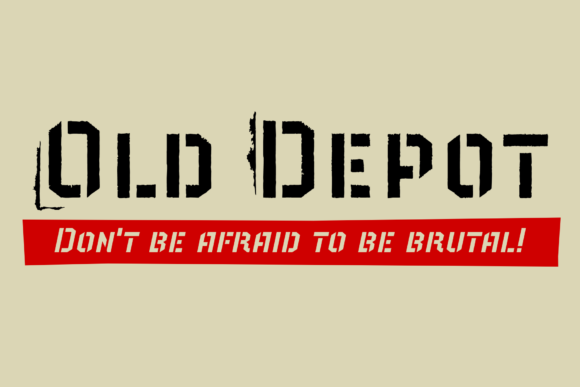
Before diving into specific use cases, it helps to understand the visual language Old Depot speaks. The font is characterized by its heavy weight and distinctive letterforms. Unlike standard block letters that feel uniform and sterile, Old Depot features subtle irregularities and structural quirks that give it a hand-crafted, vintage-industrial feel. The strokes are thick, creating high contrast against white space, which makes it incredibly legible even from a distance.
This "imposing" quality is intentional. When you use Old Depot, you aren’t whispering; you are announcing. The unique shaping of the letters—particularly in capitals like 'A', 'O', and 'S'—adds a layer of graphic interest that reduces the need for additional decorative elements. The font itself becomes the decoration. This makes it particularly effective for projects where the typography needs to carry the visual load, allowing other design elements to breathe.
Real-World Applications: Where Old Depot Shines
Knowing the theory is one thing, but seeing it in action clarifies its value. Here are several industries and scenarios where Old Depot proves its worth beyond simple aesthetic preference.
1. Craft Beverages and Artisanal Brands
The craft beer, bourbon, and specialty coffee industries have long relied on typography that suggests heritage, ruggedness, and authenticity. Old Depot fits seamlessly into this ecosystem. Imagine a label for a small-batch hot sauce or a barrel-aged stout. The thick, sturdy letters evoke the feeling of stamped metal crates or weathered warehouse signs. It signals to the consumer that the product inside is substantial, traditional, and crafted with care. It avoids the trap of looking too modern or tech-focused, instead anchoring the brand in a sense of time-tested quality.
2. Event Posters and Concert Graphics
When designing promotional materials for live events—whether it’s a rock concert, a street festival, or a comedy night—energy is paramount. You need text that pops off the screen or poster board instantly. Old Depot’s bold nature ensures that event names, dates, and headliners are readable even when viewed quickly on social media feeds. Its slightly rough edges add a raw, energetic vibe that aligns perfectly with music genres like punk, blues, or indie rock. It feels alive, not static.
3. Packaging for Men’s Grooming and Outdoor Gear
Brands targeting male demographics often struggle to find fonts that feel strong without being aggressive. Old Depot strikes a balance here. For a brand selling leather goods, camping equipment, or beard oils, this font provides a masculine, reliable aesthetic. It pairs exceptionally well with textures like kraft paper, dark backgrounds, or muted earth tones. The uniqueness of the letter shapes prevents the packaging from looking like every other competitor’s box on the shelf, giving the product a memorable identity.
4. Digital Headers and Hero Sections
In web design, the hero section—the first thing a user sees—is critical. Using a thin or intricate font here can sometimes get lost against complex background images. Old Depot, with its thickness and high contrast, cuts through visual noise effectively. It allows designers to use large, impactful headlines that guide the user’s eye immediately to the call-to-action. Because the letters are uniquely shaped, they can serve as focal points, reducing the need for heavy graphical overlays.
Who Benefits Most from Using Old Depot?
Different users will interact with this font in different ways, depending on their goals and expertise.
- Brand Identity Specialists: For those building a logo or brand mark, Old Depot offers a shortcut to a strong visual identity. Instead of spending hours customizing a generic font, starting with Old Depot gives you a solid foundation that already has personality. You can then modify it slightly to create a truly unique logotype.
- Social Media Managers: In the fast-scrolling world of Instagram and TikTok, static graphics need to stop the thumb. Old Depot’s boldness makes quotes, announcements, and key statistics stand out in carousel posts. It adds a layer of professionalism and seriousness to content that might otherwise feel casual.
- Print-on-Demand Entrepreneurs: If you sell t-shirts, mugs, or posters, you need designs that translate well across different mediums. Old Depot’s thick strokes ensure that the text remains crisp whether printed on fabric, ceramic, or paper. It minimizes the risk of fine details getting lost during production.
Navigating Challenges: Considerations Before You Type
While Old Depot is powerful, it is not a universal solution. Like any tool, it has limitations that require thoughtful application. Understanding these pitfalls will save you from common design mistakes.
Legibility Over Distance vs. Proximity
Old Depot is designed for display purposes. While it is bold, its unique letter shapes can sometimes reduce readability in body copy or long paragraphs. It is crucial to reserve this font for headlines, titles, logos, and short phrases. Using it for extended text will fatigue the reader and obscure your message. Always pair it with a simpler, highly readable sans-serif or serif font for supporting text. This creates a hierarchy that guides the eye without causing confusion.
Avoiding Visual Clutter
Because Old Depot is visually "heavy," it can easily overwhelm a design if overused. A common mistake is filling an entire layout with this font, resulting in a wall of text that feels oppressive. To counter this, embrace negative space. Let the letters breathe. Use smaller font sizes for secondary information and keep the background clean. The power of Old Depot comes from its contrast with lighter elements; without that contrast, its impact diminishes.
Contextual Appropriateness
Not every brand should use Old Depot. If you are designing for a luxury fashion house, a healthcare provider, or a tech startup focused on innovation, the font’s industrial, rugged vibe might send the wrong message. It conveys strength, tradition, and grit. It does not convey elegance, sterility, or futuristic sleekness. Choose Old Depot only when your brand story aligns with these attributes. Misalignment between tone and typeface can confuse customers and dilute brand trust.
Pairing Strategies for Maximum Effect
To get the most out of Old Depot, strategic pairing is essential. Since the font is complex and bold, it needs a partner that is understated and functional. Here are two reliable combinations:
- Old Depot + Helvetica Now: This is a classic contrast. The brutalist strength of Old Depot balances the neutral clarity of Helvetica. This combination works well for corporate events, conferences, or any scenario where you need authority without aggression.
- Old Depot + Playfair Display: For a more editorial or fashion-forward look, pair Old Depot with a high-contrast serif like Playfair. The juxtaposition of the rugged display font with the elegant serif creates a sophisticated tension. This is ideal for lifestyle brands, magazines, or boutique hotels.
Final Thoughts on Making a Statement
Typography is never just about reading; it’s about feeling. Old Depot taps into emotions of reliability, nostalgia, and boldness. By using it thoughtfully—respecting its limitations while maximizing its strengths—you can create designs that resonate deeply with your audience. Whether you are launching a new product, rebranding a legacy business, or simply trying to make a poster that people remember, Old Depot offers a distinctive touch that separates the mundane from the memorable. Start experimenting with it in your next project, and watch how the weight of the letters shifts the entire tone of your communication.