Weiss Font: A Bold Display Solution for Futuristic Design
In the landscape of digital typography, finding a typeface that commands attention without sacrificing legibility is a constant challenge. Many designers gravitate toward trendy scripts or overly decorative serifs, often at the expense of clarity and brand authority. Weiss emerges as a distinct alternative in this crowded field, positioning itself not merely as a font but as a strategic design asset. It is engineered to be cool, bold, and assertive, offering a visual language that speaks directly to modernity, precision, and forward-thinking aesthetics.
For professionals ranging from freelance graphic designers to marketing directors at established firms, the choice of display typography can make or break a project’s initial impact. Weiss addresses the need for a typeface that feels futuristic yet remains grounded enough for practical application. This analysis explores the functional characteristics of Weiss, its suitability across various media, and the specific scenarios where it delivers the most value.
The Visual Identity of Weiss
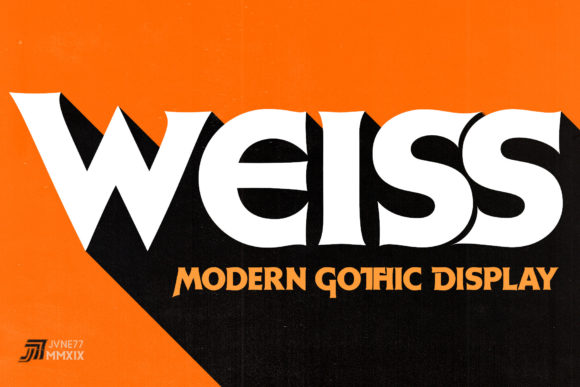
To understand why Weiss is recommended for projects requiring a futuristic touch, one must first examine its structural DNA. The font belongs to the display category, meaning it is optimized for large sizes rather than body text. Its character features sharp angles, clean lines, and a geometric underpinning that suggests engineering and technology. Unlike organic or hand-drawn fonts that convey warmth and imperfection, Weiss conveys structure and intent.
The "cool" aspect of its personality comes from its neutral yet striking presence. It does not scream for attention through excessive ornamentation; instead, it asserts dominance through weight and form. The bold variants are particularly effective, providing a heavy visual anchor that stabilizes layouts and draws the eye immediately to headlines, logos, and key messaging. This assertiveness is crucial in an era where user attention spans are shrinking, and the first three seconds of visual engagement determine whether a viewer stays or leaves.
Furthermore, the futuristic aesthetic is achieved through a minimalist approach. By stripping away unnecessary curves and focusing on high-contrast elements, Weiss aligns with contemporary trends in tech branding, cyberpunk aesthetics, and modern industrial design. It feels at home in interfaces that prioritize data visualization, sleek product packaging, and high-end editorial layouts.
Practical Applications and Use Cases
While Weiss is versatile within its niche, it is not a one-size-fits-all solution. Its strengths become apparent when applied to specific mediums where boldness and clarity are paramount. Below are the primary areas where Weiss demonstrates its utility.
Web Design and Digital Interfaces
In web design, typography plays a dual role: navigation and branding. Weiss excels as a headline font for landing pages, portfolio sites, and tech-focused blogs. When used for hero sections, its bold weight ensures that the main message is readable even on mobile devices with smaller screens. However, because it is a display font, it should never be used for long-form paragraphs. Pairing Weiss with a highly legible sans-serif body font (such as Inter, Roboto, or Open Sans) creates a balanced hierarchy. The contrast between the assertive header and the neutral body text guides the reader’s eye effectively, improving both aesthetics and user experience.
Business Cards and Print Collateral
The business card remains a critical tool for networking, and typography is the first element noticed before any information is read. Weiss brings a sense of professionalism and innovation to printed materials. Its futuristic edge helps entrepreneurs and creative agencies stand out in a stack of conventional cards. When printed on matte or textured paper, the bold letters of Weiss can create a tactile impression that reinforces the brand’s identity. For small business owners looking to project a modern, tech-savvy image, Weiss offers a cost-effective way to elevate their stationery without requiring expensive custom lettering.
Branding and Logo Design
One of the most powerful applications of Weiss is in logo creation. Its strong geometric forms allow for easy adaptation into icons, monograms, and wordmarks. Brands in the technology, automotive, fitness, and gaming industries often seek a visual identity that conveys speed, strength, and precision—all qualities inherent in the Weiss typeface. Because the font has a distinct personality, it can serve as the central element of a brand system, reducing the need for additional graphical embellishments. This simplifies the logo application process across various touchpoints, from social media avatars to vehicle wraps.
Evaluating Quality and Usability
When selecting a typeface, professionals must consider factors beyond mere appearance. The technical quality of Weiss is a significant point of discussion. A good display font must maintain its integrity across different sizes and resolutions. In the case of Weiss, the stroke weights are consistent, ensuring that the bold versions do not become muddy or pixelated when scaled down slightly. This reliability is essential for responsive web design, where assets must render correctly on everything from 4K monitors to smartwatches.
Usability also depends on the variety of weights and styles available. If Weiss offers multiple variations—such as light, regular, bold, and black—it provides designers with greater flexibility. This allows for nuanced typographic scales within a single project. For instance, using a lighter weight for subheadings while keeping the main title in bold creates depth and sophistication. Without this range, designers may find themselves relying heavily on CSS transformations like skewing or italicizing, which can degrade the visual quality of the text.
Another critical aspect is licensing and commercial use. For freelancers and agency owners, understanding the rights associated with the font is non-negotiable. Weiss should come with clear terms regarding embedding in websites, printing for client deliverables, and resale in templates or themes. Transparent licensing builds trust and prevents legal complications down the line. Professionals should always verify the license agreement before integrating the font into client projects to ensure compliance.
Limitations and Strategic Considerations
No typeface is perfect, and Weiss is no exception. Its primary limitation lies in its narrow scope. As a display font, it is unsuitable for body copy. Attempting to use Weiss for lengthy articles or dense informational content will result in poor readability and viewer fatigue. Designers must respect this boundary and pair it appropriately. Ignoring this rule can undermine the professional polish of a project, making it appear amateurish despite the quality of the other design elements.
Additionally, the futuristic aesthetic may not align with every brand voice. Companies in traditional sectors such as finance, law, healthcare, or heritage crafts might find Weiss too aggressive or cold. These industries often benefit more from serif fonts or humanist sans-serifs that convey stability, trust, and tradition. Using Weiss in these contexts could create a dissonance between the visual identity and the company’s core values. Therefore, audience alignment is crucial. Before adopting Weiss, designers should ask whether their target demographic responds positively to modern, edgy, or technological imagery.
Who Benefits Most from Weiss?
Weiss is particularly well-suited for individuals and organizations that prioritize innovation and modernity. Freelance web developers working on startup portfolios will find it invaluable for creating memorable first impressions. Marketers launching campaigns for new tech products can leverage its boldness to cut through ad clutter. Educators teaching design principles can use Weiss as an example of how geometric forms influence perception. Even serious hobbyists experimenting with DIY branding for side projects can achieve a polished look by incorporating Weiss into their visual strategy.
Entrepreneurs who want to position their businesses as forward-thinking leaders in their respective fields will also benefit. By choosing a font that signals progress and confidence, they subtly communicate that their services are current and reliable. In a competitive market, these subtle psychological cues can differentiate a brand from competitors who rely on generic, overused typefaces.
Final Thoughts on Integration
Incorporating Weiss into a design workflow requires intentionality. It is not a background player but a lead instrument. When used correctly, it elevates the entire composition, providing structure and emphasis where it is needed most. The key to success lies in restraint and pairing. Let Weiss handle the headlines and key messages, while supporting characters like neutral sans-serifs manage the details.
For those seeking a font that embodies coolness, boldness, and a futuristic spirit, Weiss stands out as a robust option. It offers the assertiveness required to capture attention and the clarity needed to communicate effectively. Whether applied to a sleek website, a premium business card, or a dynamic brand identity, Weiss proves that typography can be both a functional tool and a powerful artistic statement. By understanding its strengths and respecting its limitations, designers and business owners can harness its potential to create impactful, lasting visual experiences.