Evaluating Cordion: A Contemporary Display Typeface for Modern Design
Selecting the right typeface is one of the most critical decisions in visual communication. It sets the tone, establishes hierarchy, and influences readability before a single word is processed by the viewer. Among the vast array of available fonts, Cordion has emerged as a notable option for designers seeking a balance between traditional elegance and modern minimalism. This evaluation explores the characteristics, applications, and practical considerations of using Cordion in professional design projects.
Understanding Cordion’s Design Identity
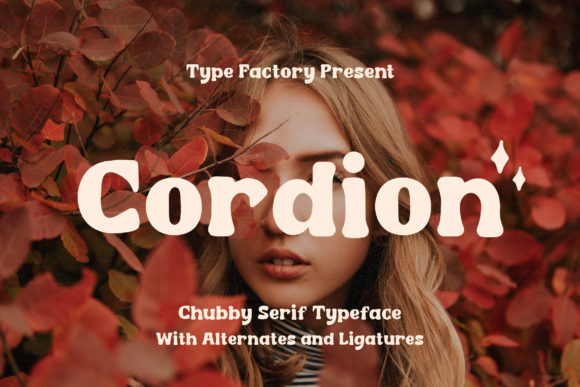
Cordion is categorized as a display font, meaning it is designed to be used at larger sizes where its unique stylistic features can be fully appreciated. Unlike body text fonts that prioritize seamless reading flow over long passages, display fonts are intended to grab attention and convey specific moods or themes. Cordion distinguishes itself through a unique synthesis of two seemingly opposing aesthetic forces: classic calligraphy and contemporary coolness.
The font retains subtle calligraphic influences, evident in the varying stroke weights and the organic flow of certain letterforms. These elements evoke a sense of sophistication and hand-crafted artistry often associated with high-end branding. However, unlike traditional serif or script fonts that might feel dated or overly ornate, Cordion strips away excessive flourish. The result is a typeface that feels fresh, accessible, and aligned with current minimalist trends. This duality makes it versatile enough to bridge the gap between heritage aesthetics and digital-first design requirements.
Key Characteristics and Visual Appeal
When evaluating Cordion, several distinct visual traits contribute to its appeal:
- Refined Stroke Contrast: The font exhibits a moderate contrast between thick and thin strokes. This provides visual interest without compromising legibility, a common issue in more extreme display fonts.
- Modern Geometry: While rooted in calligraphy, the underlying structure of the letters maintains geometric precision. This ensures that the font looks clean on screens and prints alike, avoiding the jittery appearance that can sometimes plague purely hand-drawn styles.
- Versatile Weight Options: Most implementations of Cordion offer multiple weights, allowing designers to create clear typographic hierarchies within a single family. This is crucial for maintaining cohesion in complex layouts.
- Neutral yet Expressive Tone: Cordion avoids being overly aggressive or overly soft. It strikes a "cool" middle ground, making it suitable for brands that want to appear approachable yet authoritative.
Practical Applications and Ideal Use Cases
Determining where Cordion fits best requires an understanding of its strengths as a display typeface. It is not designed for long-form reading. Instead, it excels in contexts where impact and style take precedence over volume of text.
Brand Identity and Logo Design
One of the strongest use cases for Cordion is in logo creation and brand identity systems. Its classy yet contemporary feel makes it ideal for businesses in the lifestyle, fashion, beauty, and hospitality sectors. A restaurant menu header, a boutique hotel sign, or a cosmetic product label can all benefit from the refined touch Cordion provides. The font communicates quality and attention to detail without appearing elitist or inaccessible.
Editorial and Magazine Layouts
In print and digital editorial design, Cordion serves well as a headline font. Magazine covers, blog post titles, and article subheads can leverage its calligraphic roots to add a human element to otherwise rigid grid-based layouts. When paired with a neutral sans-serif body font, Cordion creates a striking contrast that guides the reader’s eye effectively.
Packaging and Labeling
Packaging design often relies on typography to convey product value. Cordion’s ability to look premium while remaining legible at medium distances makes it a strong candidate for product labels, especially for artisanal goods, wines, or specialty foods. The font’s "fresh" quality helps products stand out on crowded shelves by signaling modernity and care.
Tradeoffs and Limitations
While Cordion offers significant advantages, it is essential to consider its limitations to ensure it aligns with project goals.
Legibility at Small Sizes
As a display font, Cordion loses much of its character when scaled down. Attempting to use it for body text, footnotes, or dense informational blocks will likely result in poor readability. Designers must reserve Cordion for headlines, pull quotes, and short phrases. If a project requires extensive text, Cordion should only serve as an accent font alongside a highly readable sans-serif or serif body font.
Niche Aesthetic Fit
The specific blend of calligraphy and modernity may not suit every brand voice. For tech startups, financial institutions, or medical organizations that prioritize neutrality, speed, and trust above all else, Cordion might feel too decorative or informal. In these contexts, a more utilitarian sans-serif would likely communicate the desired message more effectively.
Licensing and Availability
Before integrating Cordion into a commercial project, it is vital to verify licensing terms. Display fonts often have different pricing structures for web usage, app embedding, and print runs. Ensure that the license covers all intended platforms to avoid legal complications later.
Comparing Cordion to Alternatives
Designers often compare Cordion to other popular display fonts such as Playfair Display, Cormorant Garamond, or modern scripts like Allura. Here is how Cordion positions itself relative to these alternatives:
- vs. Traditional Serifs (e.g., Playfair Display): Traditional serifs can sometimes feel heavy or conservative. Cordion offers a lighter, airier alternative that feels more suited to digital interfaces and contemporary branding.
- vs. Pure Scripts (e.g., Allura): Pure script fonts can be difficult to read and limit kerning control. Cordion provides the elegance of script-like curves but with the structural integrity and spacing predictability of a standard typeface.
- vs. Geometric Sans-Serifs: While geometric sans-serifs are safe and versatile, they can lack personality. Cordion injects character and warmth into designs that might otherwise feel sterile.
Decision-Making Framework
To determine if Cordion is the right choice for your next project, consider the following questions:
- What is the primary function of the text? If it is a headline or logo, Cordion is a strong contender. If it is body copy, look elsewhere.
- What is the brand personality? Does the brand value tradition mixed with modernity? If yes, Cordion aligns well. If the brand is strictly corporate or playful, other options may be better.
- Where will the font be displayed? Ensure the font renders well on your target devices. Test Cordion at various screen resolutions and print sizes to confirm legibility.
- How will it pair with other fonts? Cordion pairs best with clean, simple sans-serifs or understated serifs. Avoid pairing it with other decorative fonts, as this can create visual clutter.
Conclusion
Cordion represents a thoughtful evolution in display typography, merging the timeless appeal of calligraphy with the demands of contemporary design. It is not a universal solution, but rather a specialized tool for designers who need to convey sophistication, freshness, and class. By understanding its strengths in headline work and its limitations in body text, designers can make informed decisions about when to deploy Cordion. For projects aiming to elevate their visual hierarchy with a touch of elegant modernity, Cordion is a compelling and effective choice.