Evaluating Patinas: A Versatile Western Display Font for Creative Projects
Selecting the right typography is often the most critical yet overlooked step in visual design. It sets the tone, conveys personality, and dictates how easily a message is consumed. Among the myriad of display fonts available today, Patinas has emerged as a distinct choice for designers seeking a blend of vintage charm and rugged western aesthetics. Whether you are crafting physical merchandise, designing digital assets, or preparing high-stakes presentations, understanding the specific characteristics and use cases of Patinas is essential for making an informed decision.
This evaluation explores what makes Patinas unique, how it compares to broader typographic categories, and where it fits within a designer’s toolkit. By examining its strengths, limitations, and ideal applications, we can determine whether this font aligns with your creative goals.
Defining the Patinas Aesthetic
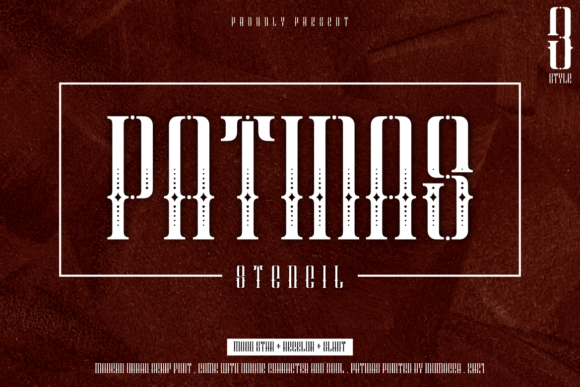
Patinas is not merely a standard sans-serif or serif typeface; it is a stylized display font that draws heavily from American frontier history and rustic craftsmanship. The term "patina" itself refers to the surface appearance of objects like bronze or wood that have been polished by age or use. In the context of typography, Patinas mimics this weathered look, offering characters that feel worn, authentic, and handcrafted rather than machine-perfect.
The font features irregular edges, slight distortions, and a texture that suggests age and durability. This gives it a strong narrative quality. When you place the word "Patinas" on a canvas, it immediately evokes imagery of old saloons, leather-bound journals, vintage posters, and outdoor adventures. It is designed to be read as a statement piece rather than body text. Its bold, expressive nature commands attention, making it particularly effective for headlines, logos, and large-format displays.
For users aged 20–50 who appreciate retro trends, farmhouse decor, or heritage branding, Patinas offers a ready-made aesthetic that would otherwise require extensive graphic manipulation to achieve. It provides instant character without the need for complex layering effects.
Comparing Patinas to Other Display Categories
To understand the value of Patinas, it helps to compare it against other common display font categories. Designers often choose between clean modernist fonts, elegant serifs, and decorative novelty types. Patinas occupies a specific niche within the decorative category, but it distinguishes itself through its thematic consistency.
Versus Modern Sans-Serif Fonts
Modern sans-serif fonts prioritize clarity, neutrality, and scalability. They are the go-to choice for tech startups, corporate reports, and minimalist web design. In contrast, Patinas is inherently non-neutral. It carries heavy emotional weight and historical connotation. If your goal is to convey efficiency, innovation, or simplicity, Patinas will likely clash with your message. However, if you are trying to evoke nostalgia, tradition, or ruggedness, Patinas offers a depth of meaning that a neutral sans-serif cannot provide.
Versus Traditional Serif Fonts
Traditional serifs, such as Garamond or Baskerville, offer elegance and readability. They are associated with literature, academia, and formal institutions. While both Patinas and traditional serifs have historical roots, their intended vibes differ significantly. Traditional serifs suggest refinement and stability. Patinas suggests adventure, wear-and-tear, and informal authenticity. A luxury watch brand might prefer a classic serif to imply precision, whereas a craft brewery or a camping gear company might choose Patinas to imply heritage and outdoor resilience.
Versus Other Western or Vintage Fonts
The market is saturated with "western" fonts that rely on exaggerated slab serifs or overly cartoonish cowboy aesthetics. Some alternatives in this space can feel kitschy or dated in a negative way. Patinas attempts to strike a balance by maintaining legibility while still delivering the desired theme. It avoids being so distorted that it becomes unreadable, which is a common pitfall in novelty fonts. This balance makes it more versatile for professional applications where clarity still matters, even within a stylized context.
Ideal Use Cases for Patinas
Given its distinctive style, Patinas is best utilized in contexts where its thematic elements enhance the core message. Here are several practical scenarios where this font shines:
- Crafts and Physical Products: For those involved in laser cutting, vinyl wrapping, or embroidery, Patinas provides excellent contrast and detail. Its thick strokes and distinct shapes hold up well when transferred to materials like wood, metal, or fabric. It is particularly popular for creating signs, tote bags, and personalized gifts with a rustic appeal.
- Greeting Cards and Invitations: While script fonts dominate wedding invitations, Patinas is an excellent alternative for casual events, birthday parties, or themed gatherings. It works exceptionally well for cowboy-themed birthdays, harvest festivals, or vintage-style event announcements. The font adds a touch of warmth and informality that feels personal and curated.
- Digital Design and Social Media: In the fast-scrolling world of social media, bold display fonts stop the thumb. Patinas is highly effective for Instagram posts, Pinterest pins, and YouTube thumbnails where visual impact is key. Its ability to stand out against busy backgrounds makes it a valuable tool for content creators looking to establish a consistent, recognizable brand voice.
- Presentations and Branding: For small businesses in the hospitality, agriculture, or artisanal goods sectors, Patinas can serve as a primary logo font or a header accent. It helps establish a brand identity that feels grounded and trustworthy. However, it should be paired carefully with simpler secondary fonts to ensure the presentation remains readable and professional.
Tradeoffs and Limitations
No single font is suitable for every task. Understanding the limitations of Patinas is just as important as recognizing its strengths. Using a display font incorrectly can lead to poor user experience and diluted brand messaging.
Readability Constraints: Due to its stylized nature, Patinas is not suitable for long-form body text. Attempting to set paragraphs in this font will result in reader fatigue and confusion. It must be reserved for short bursts of text—titles, captions, labels, and slogans. Always pair it with a highly legible sans-serif or simple serif for supporting information.
Contextual Appropriateness: Because Patinas carries strong cultural associations with the American West and vintage eras, it may feel out of place in certain industries. For example, using it for a medical clinic, a financial law firm, or a high-tech software product could send mixed signals. It implies informality and tradition, which may undermine perceptions of authority, precision, or modernity. Careful consideration of your target audience’s expectations is crucial.
Overuse Risks: There is a fine line between "rustic charm" and "cliché." Overusing western motifs, including fonts like Patinas, can make a design feel generic or unoriginal. To avoid this, focus on how the font complements other design elements like color palettes, imagery, and layout. Use Patinas sparingly as an accent rather than the dominant structural element.
Decision Factors: Is Patinas Right for You?
When evaluating whether to incorporate Patinas into your next project, consider the following decision factors:
- Brand Personality: Does your brand value heritage, authenticity, and approachability? If yes, Patinas aligns well. If your brand prioritizes sleekness, futurism, or minimalism, look elsewhere.
- Medium of Output: Will the font be used at large sizes (posters, banners, screens) or small sizes (fine print, footers)? Patinas excels at large sizes. Avoid it for small-scale applications.
- Target Audience: Who are you speaking to? If your audience appreciates handmade, artisanal, or nostalgic aesthetics, Patinas will resonate. If they prefer clean, data-driven, or ultra-modern visuals, it may create friction.
- Complementary Assets: Do you have other design elements that support the western/vintage theme? Patinas works best when integrated into a cohesive visual system that includes appropriate colors (earthy tones, muted pastels) and imagery (textures, landscapes).
In conclusion, Patinas is a specialized tool in the designer’s arsenal. It is not a universal solution, but rather a targeted resource for specific creative challenges. Its ability to evoke a sense of history and craftsmanship makes it a favorite for craftspeople, digital artists, and marketers alike. By understanding its distinct personality and respecting its limitations, you can leverage Patinas to create designs that are not only visually striking but also emotionally resonant. Whether you are making a greeting card or building a brand identity, Patinas offers a reliable path to achieving a cool, vintage-styled aesthetic that stands out in a crowded visual landscape.