Evaluating Spookytone: A Practical Guide to Using Brushed Horror Typography
Selecting the right typeface is rarely just about aesthetics; it is a strategic decision that communicates tone, genre, and intent before a single word is read. For designers working in the horror, thriller, or seasonal entertainment sectors, the visual language must be immediate and visceral. This is where Spookytone enters the conversation. Defined by its creepy, brushed aesthetic, this display font offers a specific texture that mimics the imperfections of hand-painted signs, dried blood, or weathered wood. However, like any specialized tool, it requires careful evaluation to determine if it aligns with your project’s specific needs.
This analysis explores the characteristics of Spookytone, compares it against broader categories of horror typography, and provides practical guidance on when to use it for Halloween crafts, movie posters, apparel, and other creative endeavors. The goal is to help you make an informed choice based on legibility, mood, and production constraints.
Understanding the Spookytone Aesthetic
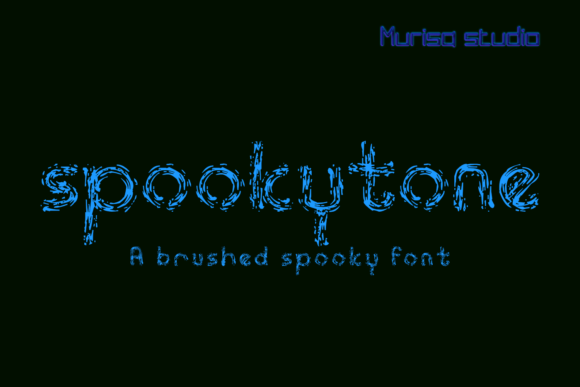
To evaluate Spookytone effectively, one must first understand what distinguishes it from standard serif or sans-serif fonts. The term "brushed" implies a dynamic stroke width and irregular edges, suggesting movement and human error. In the context of horror, these imperfections are features, not bugs. They evoke a sense of unease, organic decay, or frantic energy.
Spookytone captures this through:
- Irregular Stroke Widths: Unlike uniform digital fonts, Spookytone varies in thickness, simulating the pressure of a brush or the drag of a marker.
- Textured Edges: The letters often feature jagged or frayed edges, contributing to a "dirty" or distressed look that fits seamlessly into grunge-style designs.
- Display-Only Orientation: As a display font, it is designed for headlines, titles, and short phrases rather than body text. Its complexity reduces readability at small sizes.
This distinct character makes it highly effective for grabbing attention. When used correctly, Spookytone does not just say "scary"; it visually reinforces the concept of fear through texture and form.
Comparing Spookytone to Alternative Horror Styles
When researching horror typography, designers typically encounter three main categories: classic serif (like Times New Roman or Garamond), modern minimalist, and distressed/display fonts. Spookytone falls squarely into the latter category, but how does it stack up against similar options?
Distressed vs. Clean Minimalist
Clean minimalist fonts rely on negative space and sharp lines to create tension. They suggest psychological horror—something unseen and orderly. Spookytone, conversely, suggests physical horror—something messy, violent, or chaotic. If your project involves a sophisticated thriller or a ghost story rooted in atmosphere, a clean font might be more appropriate. Spookytone can feel too aggressive or "noisy" for subtle narratives. It works best when the design needs to scream rather than whisper.
Handwritten vs. Brushed Display
Another common alternative is the handwritten script. While both styles mimic human creation, they serve different purposes. Handwritten scripts often imply personal notes, diaries, or intimate terror. Spookytone’s brushed style feels more public and imposing, akin to a warning sign on a fence or paint splattered on a wall. If the narrative involves a diary entry, a handwritten font is superior. If the goal is to create a poster for a slasher film or a haunted house attraction, Spookytone’s bold, textured presence is more impactful.
Best-Fit Use Cases for Spookytone
Based on its visual weight and texture, Spookytone excels in specific applications. Understanding these contexts helps maximize its potential while avoiding common pitfalls.
Halloween Crafts and Decor
One of the most accessible uses for Spookytone is in DIY Halloween crafts. Whether creating custom banners, cutting vinyl decals for windows, or designing party invitations, the font’s high contrast ensures it remains readable even when scaled down or cut from thin materials. The brushed texture adds instant thematic value without requiring additional graphic effects like overlays or filters. For crafters using Cricut or Silhouette machines, Spookytone reduces the need for complex layering, saving time while maintaining a professional, spooky look.
Horror Movie Posters and Event Flyers
In the realm of promotional material, first impressions are critical. Spookytone is ideal for large-format prints such as movie posters, festival flyers, or concert tickets for metal or punk shows. Its ability to convey grit and intensity makes it a strong candidate for titles that need to stand out against busy backgrounds. However, designers should pair it with simpler supporting text. Because Spookytone is visually loud, it should dominate the hierarchy, leaving body text to cleaner, more neutral fonts to ensure information is digestible.
Apparel and Merchandise Design
T-shirt design often relies on bold, graphic elements. Spookytone translates well to screen printing and DTG (direct-to-garment) printing because its thick strokes hold up well under ink layers. The distressed nature of the font also helps mask minor print inconsistencies, which can occur during mass production. For merchandise targeting fans of horror, gaming, or alternative music, Spookytone provides an authentic edge that resonates with the subculture.
Tradeoffs and Limitations
No font is universally perfect. When evaluating Spookytone, it is crucial to acknowledge its limitations to avoid misapplication.
Legibility Challenges
The primary tradeoff of using a highly stylized display font is reduced legibility. Spookytone is not suitable for long paragraphs, subtitles, or navigation menus. Attempting to use it for body text will frustrate readers and detract from the message. Even in headlines, spacing (kerning and tracking) must be managed carefully. Tight spacing can cause the irregular edges of adjacent letters to clash, creating a muddy visual effect. Designers must test their layouts at various sizes to ensure the text remains clear.
Contextual Appropriateness
Spookytone carries a heavy cultural association with horror and chaos. Using it in a corporate setting, a medical brochure, or a children’s educational app would likely send the wrong message. It is essential to consider the audience’s expectations. If the brand identity is serious, clinical, or family-friendly, Spookytone will feel jarring and unprofessional. It is a niche tool for niche audiences.
Scalability Issues
While Spookytone looks impressive at large sizes, it may lose detail when scaled down significantly. On small mobile screens or tiny product labels, the intricate brushed details might disappear or become illegible. In such cases, a simplified version of the font or a different typeface altogether might be necessary.
Decision Factors: Is Spookytone Right for You?
Choosing between Spookytone and other options ultimately depends on the core objectives of your project. Consider the following checklist to guide your decision:
- What is the emotional tone? Do you need to convey aggression, decay, or urgency? If yes, Spookytone is a strong contender.
- What is the medium? Are you printing large posters or crafting physical items? These mediums favor bold, textured fonts. Digital interfaces with small text areas do not.
- Who is the audience? Are you targeting horror enthusiasts, party-goers, or alternative culture fans? If so, the font’s aesthetic will likely resonate.
- Do you have complementary assets? Spookytone works best when paired with dark backgrounds, high-contrast colors, and gritty imagery. If your design palette is light and airy, the font may feel out of place.
If your project requires subtlety, clarity, or broad appeal, you may find better success with a classic serif or a clean sans-serif. However, if you aim to create an immediate, visceral impact that embraces the macabre, Spookytone offers a distinctive voice that few other fonts can replicate.
Practical Tips for Implementation
To get the most out of Spookytone, follow these practical guidelines:
- Pair Wisely: Combine Spookytone with a simple, highly readable font for secondary information. This creates a balanced hierarchy.
- Use Color Strategically: High-contrast color combinations, such as black and white, red and black, or neon green and black, enhance the font’s eerie qualities.
- Add Texture Carefully: While Spookytone already has a brushed texture, adding extra noise or grunge overlays can sometimes clutter the design. Test whether the font alone suffices before adding complex effects.
- Test Readability: Always print or view your design at the final size. What looks good on a large monitor may fail on a business card or social media thumbnail.
By understanding the strengths and limitations of Spookytone, designers can leverage its unique brushed horror aesthetic to create compelling, memorable visuals. Whether for a Halloween craft project or a major marketing campaign, thoughtful application ensures the font serves the message rather than distracting from it.