Gravity: The Minimalist Display Font That Elevates Your Design
In a digital landscape saturated with noise, clarity is the ultimate luxury. When you are designing for attention—whether it’s a landing page, a brand identity, or a presentation deck—you need typography that commands respect without shouting. This is where Gravity enters the frame. It is not just another typeface; it is a minimal and modern display font engineered to bring order to chaos and elegance to complexity.
If you are a designer, developer, or content creator looking to elevate your visual hierarchy, Gravity offers a versatile solution. Its clean lines and balanced proportions allow it to blend seamlessly into diverse projects while maintaining a distinct personality. Let’s explore why this font deserves a spot in your creative toolkit and how it can transform your work.
Understanding the Core Characteristics of Gravity
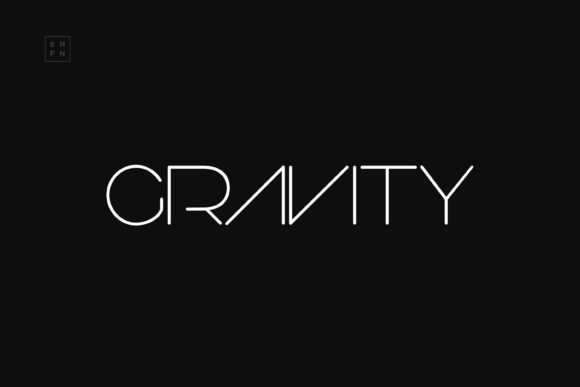
At its heart, Gravity is defined by its restraint. It strips away unnecessary ornamentation to focus on pure form and function. This minimalist approach makes it incredibly adaptable. Unlike decorative fonts that demand specific contexts, Gravity works almost anywhere. Here is what sets it apart:
- Modern Aesthetic: The geometric precision of Gravity aligns perfectly with contemporary design trends. It feels current, tech-forward, and professional.
- Versatile Weight Options: Whether you need bold headlines that anchor a layout or lighter weights for subtle accents, Gravity provides a range that supports complex typographic systems.
- High Legibility: Despite its stylized nature, readability remains paramount. The open counters and clear letterforms ensure that your message is understood instantly, even at small sizes or on low-resolution screens.
- Clean Geometry: The structural integrity of each character gives it a sense of stability and trustworthiness, qualities essential for brands aiming to project competence.
These characteristics make Gravity more than just a pretty face; it is a functional tool for communication. When you pair it with appropriate imagery or whitespace, it allows your content to breathe, guiding the user’s eye exactly where you want it to go.
Practical Applications Across Industries
The beauty of Gravity lies in its ability to adapt to various environments. You do not need to reinvent the wheel every time you start a new project. Instead, you can rely on Gravity to provide a consistent foundation. Here is how different professionals can leverage its strengths.
For Branding and Identity
Startups and established businesses alike use Gravity to craft memorable logos and brand guidelines. Because it is a display font, it excels in large formats. Imagine a tech firm using Gravity for their primary logo—it conveys innovation and simplicity. For subheads and taglines, the font’s modern edge adds a layer of sophistication that serif or traditional sans-serif fonts might lack. It helps create a visual identity that feels both grounded and forward-thinking.
Digital Product Design
In UI/UX design, space is premium. Every pixel counts. Gravity’s clean lines reduce visual clutter, making interfaces feel lighter and faster. Use it for button labels, navigation headers, or hero text. Its high contrast capabilities mean it stands out against busy backgrounds without requiring excessive sizing. For apps focused on finance, health, or productivity, Gravity reinforces a sense of reliability and efficiency.
Content Creation and Publishing
Blogger, marketers, and educators often struggle to balance engagement with professionalism. Gravity bridges this gap. When used for article headers or pull quotes, it breaks up long blocks of text effectively. It draws the reader in without being distracting. For educators creating slide decks or handouts, Gravity ensures that key concepts are highlighted clearly, aiding in information retention.
Commercial and Print Media
Don’t limit Gravity to the screen. In print, whether it’s a brochure, a business card, or a poster, the font’s sharp edges reproduce beautifully. It lends a premium feel to physical materials. A real estate agent using Gravity for property listings can convey luxury and clarity. An event organizer can use it for flyers to signal a modern, well-organized experience.
Why Gravity Enhances User Experience and Engagement
Good design is invisible. When typography works well, users don’t notice the font itself; they notice the ease with which they consume information. Gravity contributes to this seamless experience in several ways:
- Reduced Cognitive Load: By providing clear visual hierarchy, Gravity helps users scan content quickly. They can distinguish between headings, subheadings, and body text effortlessly.
- Brand Consistency: Using a single, strong typeface family across platforms creates a cohesive brand voice. It signals to the audience that you are detail-oriented and professional.
- Emotional Resonance: Minimalism evokes calmness and confidence. Gravity’s understated elegance reduces anxiety in the viewer, making them more receptive to your message.
When you prioritize usability through thoughtful font selection, you indirectly boost engagement metrics. Users stay longer on sites that are easy to read and navigate. They trust brands that look polished. Gravity is a small investment in design that yields significant returns in perception.
Considerations for Implementation
While Gravity is highly versatile, successful implementation requires a strategic approach. Here are some practical tips to get the most out of this typeface:
Pairing Strategies
Since Gravity is a display font, it works best when paired with a neutral body text font. A simple sans-serif like Inter, Roboto, or Open Sans complements Gravity’s geometric structure without competing for attention. Avoid pairing it with other decorative fonts, as this can create visual conflict and dilute the impact of your design.
Whitespace is Key
Minimalist fonts thrive in spacious layouts. Do not crowd Gravity with too many elements around it. Give your headlines room to expand. Ample whitespace enhances legibility and emphasizes the font’s clean lines. Think of whitespace not as empty space, but as an active design element that frames your typography.
Context Matters
Always test Gravity in its intended environment. How does it look on a mobile screen versus a desktop monitor? Does it hold up in black and white? Ensuring accessibility and readability across devices is crucial. If your audience includes individuals with visual impairments, ensure you maintain sufficient contrast ratios and avoid using the lightest weights for critical information.
Final Thoughts on Integrating Gravity into Your Workflow
Selecting the right typography is one of the most impactful decisions in any design project. Gravity offers a compelling option for those seeking a balance between style and substance. It is robust enough for heavy branding yet subtle enough for detailed interface work.
By incorporating Gravity into your next project, you are not just choosing a font; you are choosing a direction. You are signaling that you value clarity, modernity, and user-centric design. Whether you are launching a new product, refreshing your website, or preparing a pitch deck, let Gravity help your ideas stand out. In a world full of distractions, being clear and concise is the most powerful statement you can make.
Experiment with Gravity today. Try it in bold for headlines, use it for call-to-action buttons, or integrate it into your social media graphics. Notice how it changes the tone of your communication. You may find that this minimal font brings a maximum amount of value to your creative output.