Klender: A Strategic Approach to Modern and Retro Display Typography
In the landscape of visual communication, typography is rarely just about readability; it is a primary vehicle for brand identity, emotional resonance, and market positioning. For designers, entrepreneurs, and creative professionals seeking to establish a distinct voice, the choice of typeface can significantly influence how a message is perceived before a single word is read. Klender emerges as a compelling option in this arena, offering a unique synthesis of modern sensibilities and retro charm. This display font is not merely a collection of glyphs but a strategic tool that bridges the gap between contemporary minimalism and nostalgic warmth.
The decision to incorporate Klender into your design workflow requires more than aesthetic appreciation. It demands an understanding of its structural characteristics, its alternative character sets, and its capacity to elevate branding materials such as business cards, posters, social media assets, and merchandise. By examining Klender through the lens of practical application and strategic intent, we can uncover how this typeface supports better design decisions and contributes to long-term visual consistency.
Understanding the Dual Nature of Klender
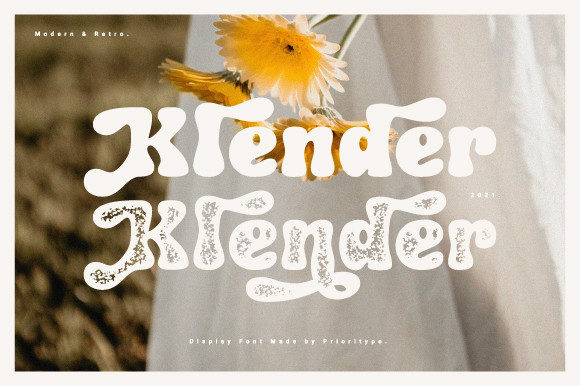
Klender distinguishes itself by blending two seemingly contradictory styles: the clean lines of modern design and the textured appeal of retro aesthetics. This duality makes it versatile across various contexts. The modern elements provide clarity and professionalism, ensuring that headlines remain legible and authoritative. Meanwhile, the retro influences add character, depth, and a sense of timelessness that resonates with audiences who value heritage and craftsmanship.
This combination is particularly effective for brands aiming to project innovation without sacrificing approachability. For instance, a tech startup might use the modern aspects of Klender to convey efficiency and forward-thinking, while a boutique coffee roaster could lean into the retro features to emphasize tradition and quality. The ability to toggle between these stylistic interpretations allows designers to tailor their visual language to specific audience expectations.
Furthermore, Klender includes additional alternative characters that enhance its beauty and utility. These alternates are not mere decorative extras; they offer opportunities for customization and personalization. In a crowded digital environment, small details often differentiate a generic design from a bespoke one. By utilizing these alternatives, creators can inject uniqueness into their work, ensuring that their branding stands out in a sea of standardized templates.
Strategic Applications in Branding Design
When integrating Klender into branding strategies, it is essential to consider the context of each touchpoint. Here are several key areas where Klender can deliver significant impact:
- Business Cards: A well-designed business card serves as a tangible extension of your professional identity. Using Klender for the name or title creates an immediate impression of sophistication and attention to detail. The contrast between the bold display style and smaller body text (in a complementary sans-serif) can create a hierarchy that guides the viewer’s eye effectively.
- Posters and Event Materials: For events, conferences, or product launches, visibility is paramount. Klender’s strong presence ensures that key messages are captured quickly. Its retro-modern blend can evoke excitement and curiosity, encouraging passersby to engage further with the content.
- Social Media Posts: In the fast-paced world of social media, static images must communicate instantly. Klender works exceptionally well for quote graphics, announcements, and promotional banners. Its distinctive shape helps break through the visual noise of feeds, drawing attention to critical information.
- Merchandise: From t-shirts to tote bags, branded merchandise acts as mobile advertising. Klender’s versatility allows it to adapt to different materials and printing techniques. Whether screen-printed on fabric or embossed on packaging, the font maintains its integrity and visual appeal.
Planning for Long-Term Visual Consistency
Adopting Klender is not just about selecting a pretty font; it is about building a cohesive visual system. To achieve this, designers and business owners should develop a clear plan for usage. This involves defining guidelines for when and how Klender appears across all platforms. Consistency reinforces brand recognition, making it easier for customers to identify your products or services at a glance.
One effective strategy is to pair Klender with neutral, highly readable fonts for body text. Since Klender is a display font, it is best suited for headlines, titles, and short phrases rather than lengthy paragraphs. By contrasting it with a simple sans-serif or serif font, you create a balanced composition that is both engaging and functional. This pairing also highlights the unique characteristics of Klender, allowing it to shine without overwhelming the reader.
Additionally, consider the color palette and layout when using Klender. The font’s retro-modern style pairs well with muted tones, earthy hues, or bold primary colors, depending on the desired mood. Experimenting with different color combinations can reveal new dimensions of the typeface, helping you find the perfect fit for your brand’s personality.
Decision-Making Guidance for Designers
Before committing to Klender for a project, ask yourself the following questions to ensure it aligns with your goals:
- What is the primary message? Does Klender’s tone match the seriousness or playfulness required? If the message is urgent or technical, a more straightforward typeface might be preferable.
- Who is the target audience? Will your audience appreciate the retro nuances, or do they prefer stark modernity? Understanding your audience’s preferences will guide your typographic choices.
- Where will the design appear? Consider the medium. Klender may render differently on digital screens versus printed materials. Test your designs in various formats to ensure optimal legibility and impact.
Risks and Mitigation Strategies
While Klender offers many advantages, there are potential pitfalls to avoid. One common risk is overuse. Because Klender is visually striking, using it excessively can lead to visual fatigue and dilute its impact. Reserve it for high-impact moments, such as headers and logos, and rely on simpler fonts for supporting text.
Another consideration is legibility. While Klender is designed to be readable, its stylized nature means it may not perform well in small sizes or low-resolution environments. Always test your designs at the actual sizes they will be displayed to ensure clarity. If necessary, adjust letter spacing or line height to improve readability.
Finally, be mindful of cultural connotations. Retro fonts can sometimes evoke specific eras or associations that may not align with your brand’s values. Conduct thorough research to ensure that the vibe of Klender complements your brand’s narrative rather than contradicting it.
Maximizing Creativity and Productivity
Using Klender intentionally can enhance both creativity and productivity. By having a reliable, versatile font at your disposal, you reduce the time spent searching for suitable typefaces for each new project. This efficiency allows you to focus on other aspects of design, such as layout, color theory, and messaging.
Moreover, Klender’s alternative characters encourage experimentation. Playing with these variations can spark new ideas and inspire innovative design solutions. Instead of sticking to default settings, explore the full range of options available in the font file. This exploration can lead to unexpected discoveries and more dynamic compositions.
For educators and bloggers, Klender can serve as a powerful tool for structuring content. Headings styled with Klender can break up text blocks and make articles more scannable. This improves the user experience, keeping readers engaged and encouraging them to consume more of your content.
Conclusion on Strategic Typography
Klender represents more than just a stylish addition to a designer’s toolkit; it is a strategic asset capable of enhancing brand communication and visual identity. By understanding its dual nature, planning its usage carefully, and avoiding common pitfalls, you can leverage Klender to achieve better results in your projects. Whether you are launching a new business, refreshing your brand, or creating engaging content, Klender offers the flexibility and character needed to stand out in today’s competitive landscape.
Ultimately, the goal is not to use every font feature available but to apply typography with purpose. When used thoughtfully, Klender becomes an integral part of your brand story, helping you connect with your audience on a deeper level. Embrace its modern-retro fusion, experiment with its alternatives, and let it guide your design decisions toward clarity, impact, and lasting impression.