Blowsters: Bold Typography for High-Impact Design Projects
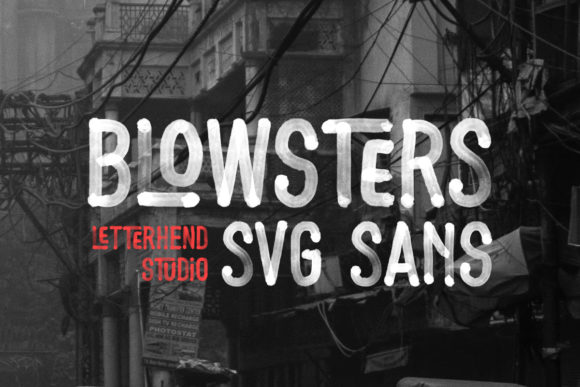
In a digital landscape saturated with uniform sans-serifs and predictable serif pairings, finding a typeface that commands attention without sacrificing legibility is a constant challenge. Enter Blowsters, a rough-textured, bold, and thick lettered display font designed to cut through the noise. This isn’t just another decorative add-on; it is a premium font built for creators who need their work to be seen, read, and remembered. Whether you are a seasoned graphic designer refining a brand identity or a small business owner crafting social media graphics, understanding the specific utility of a creative font like Blowsters can elevate your visual communication from good to unforgettable.
The appeal of Blowsters lies in its immediate presence. It carries a personality that is unapologetically loud yet structurally sound. Unlike delicate script fonts or rigid geometric sans serif fonts, Blowsters occupies a unique middle ground—rough around the edges but meticulously crafted for impact. Its PUA (Private Use Area) encoding is a technical feature that translates directly into creative freedom, allowing designers to access all glyphs and swashes with ease. This means you aren't limited to standard character sets; you have a toolkit of stylistic alternates at your fingertips to customize every headline, logo design, or editorial spread.
Understanding the Visual Personality of Blowsters
To use any typeface effectively, you must first understand its voice. Blowsters speaks in a shout, but one that feels hand-crafted rather than digitally sterile. The rough texture gives it an organic, tactile quality, reminiscent of vintage screen printing or worn-out concert posters. This aesthetic makes it particularly effective for projects that aim to evoke nostalgia, energy, or raw authenticity. When applied correctly, it adds a layer of depth that flat, clean vector fonts often lack.
The thickness of the letterforms is intentional. In modern typography, weight is used to establish hierarchy. Blowsters’ bold nature ensures that it dominates the visual field, making it ideal for headlines, titles, and key messaging where you need to grab the viewer’s eye within seconds. However, this dominance requires respect. Because the font is so visually heavy, it demands space. Crowding Blowsters with too much body text or cluttering the layout with competing elements will result in visual fatigue. Instead, let it breathe. Give the typeface room to expand and contract, allowing its unique contours and textures to define the mood of the piece.
Another critical aspect of its design is the inclusion of swashes and alternate glyphs via PUA encoding. These features allow for dynamic variation within a single word or phrase. You might use a standard 'B' for the beginning of a logo and a more ornate, swashed version for emphasis in a subtitle. This variability prevents repetition and keeps the design fresh. For content creators and marketers, this means you can tweak the tone of your message simply by swapping out a glyph, adding a touch of whimsy or sophistication depending on the context.
Strategic Applications Across Creative Industries
While Blowsters is versatile, it shines brightest in specific contexts where high contrast and strong visual statements are required. It is not a body text font, nor is it suitable for long-form reading. Its role is strictly that of a display font—a tool for impact. Here is how it integrates into various professional workflows:
- Brand Identity and Logo Design: For startups, craft breweries, music festivals, or lifestyle brands aiming for a rugged, authentic feel, Blowsters offers an instant visual signature. Its bold strokes ensure scalability, meaning it remains recognizable whether printed on a large billboard or scaled down to a favicon.
- Packaging Design: On crowded retail shelves, products need to pop. Blowsters’ textured appearance mimics the look of stamped labels or hand-painted signs, which can convey artisanal quality or vintage charm. It works exceptionally well for food packaging, beverage labels, and merchandise tags.
- Social Media Graphics: In the fast-scrolling world of Instagram and TikTok, static images must stop the thumb. A poster or quote card featuring Blowsters as the primary typographic element will naturally draw the eye. Pairing it with high-contrast photography creates a cohesive, professional aesthetic that boosts engagement rates.
- Editorial Design: Magazines and zines often seek to break away from traditional grid layouts. Using Blowsters for pull quotes, chapter headers, or cover lines can inject energy into otherwise static pages. It bridges the gap between modern typography and retro editorial styles.
- Web Design Headers: While generally avoided for web body copy due to readability concerns, Blowsters can serve as a powerful hero text on landing pages. When used sparingly over full-width imagery, it sets the emotional tone before the user even reads the subheading.
It is also worth noting that Blowsters fits comfortably alongside other font categories. It pairs well with clean sans serif fonts for body text, creating a striking contrast between the rough display header and the smooth, readable content. This juxtaposition helps guide the reader’s eye and establishes a clear visual hierarchy. Avoid pairing it with other decorative or handwritten fonts, as this can create visual chaos. Let Blowsters be the star, and keep supporting elements simple and understated.
Practical Guidelines for Implementation and Licensing
Integrating a specialized font like Blowsters into your workflow requires more than just dropping it into a design file. To maximize its potential, you need a strategic approach to selection, testing, and licensing.
Evaluating Project Fit: Before committing to Blowsters, ask yourself if the project’s tone matches the font’s personality. Is the brand playful? Edgy? Vintage? If the answer is yes, Blowsters is a strong candidate. If the project requires elegance, minimalism, or corporate neutrality, this font will likely clash with the desired message. Always create mood boards that include typography samples to visualize how Blowsters interacts with colors, imagery, and other design assets.
Testing Font Pairings: Effective design relies on balance. Since Blowsters is heavy and textured, pair it with lightweight, neutral typefaces. A classic sans serif font or a subtle serif font can provide the necessary counterweight. Test these combinations at various sizes. Ensure that the secondary font does not compete with Blowsters for attention. The goal is harmony, not competition.
Readability Considerations: Even though Blowsters is a display font, legibility should never be compromised. Avoid using it for sentences longer than a few words. Be mindful of kerning and tracking; the rough texture can sometimes make tight spacing appear muddy. Allow generous whitespace around the text to maintain clarity. Additionally, consider color contrast. Dark text on light backgrounds or vice versa ensures that the intricate details of the font remain visible.
Commercial Licensing: As a commercial font, Blowsters comes with specific usage rights. Whether you are designing for a client, selling physical products, or running ads, ensure you have the appropriate license. Misusing fonts can lead to legal complications and damage your professional reputation. Most premium fonts offer different tiers of licensing, such as desktop, web, and extended print. Choose the one that aligns with your project’s scope. Investing in proper licensing protects your work and supports the type designers who create these valuable tools.
Ultimately, Blowsters is more than just a collection of letters; it is a design asset that brings character and confidence to your projects. By understanding its visual strengths, applying it strategically across branding and marketing materials, and respecting its technical requirements, you can harness its power to create designs that resonate with audiences. In a world where attention is scarce, giving your typography the volume it deserves is a smart, effective strategy. Let yourself be amazed by the outcomes when you combine bold typefaces with thoughtful design principles.