Cute Bubble: The Playful Typography Trend for Modern Brands
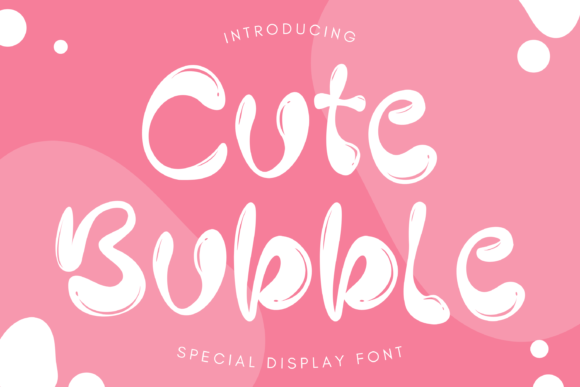
In a digital landscape saturated with minimalist sans-serifs and rigid geometric typefaces, Cute Bubble emerges as a refreshing anomaly—a fun, playful, and friendly display font that instantly captures attention. For graphic designers and creative directors seeking to inject personality into their projects without sacrificing professionalism, this typeface offers a unique solution. It bridges the gap between whimsical creativity and structured design, proving that approachable aesthetics can drive significant user engagement.
Whether you are crafting social media graphics for Instagram or developing calligraphy scripts for DIY craft projects, Cute Bubble transforms ordinary text into a true piece of art. Its rounded, voluminous forms evoke a sense of warmth and accessibility, making it an ideal choice for brands aiming to humanize their visual identity. In this guide, we explore how integrating such distinctive typography into your design workflow can elevate branding, enhance communication, and create memorable visual experiences.
The Role of Playful Typography in Modern Branding
Typography is no longer just about readability; it is a primary vehicle for brand voice. While traditional serif or sans-serif fonts communicate stability and authority, display fonts like Cute Bubble convey emotion, energy, and approachability. This shift is particularly relevant in today’s market, where consumers respond positively to brands that feel authentic and relatable.
When used strategically, Cute Bubble strengthens brand identity by creating a consistent visual language that stands out in crowded feeds. It allows designers to establish a distinct aesthetic that aligns with modern trends favoring softness, inclusivity, and joy. However, the key lies in balance. A professional designer knows that while playfulness engages, clarity converts. Therefore, understanding when and where to apply this font is crucial for maintaining a polished presentation.
Practical Applications Across Design Disciplines
The versatility of Cute Bubble extends across various facets of visual design. Here is how it can be effectively integrated into different creative assets:
- Social Media Graphics: Use Cute Bubble for headlines on Instagram posts or Pinterest pins. Its bold, bubbly shapes ensure high visibility even at small sizes, drawing the eye immediately in a fast-scrolling feed.
- Packaging Design: For consumer goods targeting families, children, or lifestyle enthusiasts, this font adds a tactile quality to labels. It suggests premium yet friendly products, enhancing shelf appeal through visual hierarchy.
- Editorial and Print Design: Incorporate it as a display element in magazines or brochures to break up dense text blocks. Pairing it with ample white space creates a clean, modern aesthetic that feels inviting rather than cluttered.
- Merchandise and Apparel: The font’s rounded contours translate beautifully to screen printing and embroidery on t-shirts, tote bags, and stickers, offering a trendy look that resonates with younger demographics.
- Digital Marketing Campaigns: Use it for email subject lines or banner ads to increase open rates and click-throughs. The playful nature reduces cognitive load, making the call-to-action feel less like a demand and more like an invitation.
Best Practices for Integrating Cute Bubble
To maximize the impact of Cute Bubble, designers must consider several critical factors including scalability, color palette compatibility, and visual hierarchy. Overusing display fonts can lead to visual noise, so restraint is essential.
Pairing and Composition
A common mistake is pairing two busy typefaces. To maintain readability, pair Cute Bubble with a simple, neutral sans-serif for body copy. This contrast ensures that while the headline grabs attention, the supporting text remains legible. For instance, combining Cute Bubble with a clean Helvetica or Roboto creates a balanced composition that guides the viewer’s eye naturally from the title to the details.
Additionally, consider the color palette. Cute Bubble performs best with vibrant, pastel, or warm tones that reinforce its friendly character. Avoid dark, harsh contrasts unless aiming for a specific retro effect. Soft gradients or solid, cheerful colors can enhance the font’s inherent charm without overwhelming the design.
Scalability and Digital Usage
In UI/UX design, legibility is paramount. While Cute Bubble is excellent for large headers, buttons, or icons, it should generally be avoided for long-form text or navigation menus. Ensure that the font renders correctly across different devices and resolutions. Test its scalability to confirm that the rounded edges do not become pixelated or blurry on smaller screens.
Elevating Creative Projects with Thoughtful Design Choices
Selecting the right typography is a strategic decision that influences user perception and brand loyalty. Cute Bubble is not merely a decorative element; it is a tool for effective visual communication. By leveraging its playful characteristics within a structured design framework, creators can produce content that is both aesthetically pleasing and functionally effective.
Ultimately, the goal of any design project is to connect with the audience on an emotional level. Fonts like Cute Bubble facilitate this connection by stripping away corporate stiffness and replacing it with genuine warmth. When combined with thoughtful composition, appropriate imagery, and a cohesive brand system, these creative assets contribute to a professional presentation that resonates deeply with viewers. Embrace the power of playful typography to transform your designs from standard to standout, ensuring that every piece of content you create leaves a lasting, positive impression.