The Rise of Bonkers: Why Playful Typography is Reshaping Digital Communication
In an era where digital interfaces are often dominated by sterile minimalism and rigid grid systems, a subtle but significant shift is occurring in the realm of visual communication. Designers, marketers, and brand strategists are increasingly turning away from the cold precision of traditional sans-serifs in favor of typefaces that exude warmth, approachability, and personality. At the forefront of this movement is Bonkers, a display font that has captured the attention of creative professionals seeking to humanize their brands. While its name might suggest chaos, its execution offers something far more valuable: a sense of impeccable friendliness that resonates deeply with modern audiences.
This article explores why fonts like Bonkers are becoming essential tools in the modern creator’s toolkit, how they align with broader consumer trends, and why embracing playful typography is no longer just a whimsical choice, but a strategic business decision.
Defining the Aesthetic: What is Bonkers?
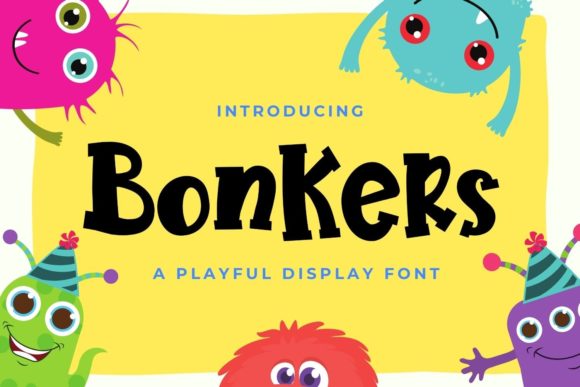
To understand the impact of Bonkers, one must first appreciate what it represents typographically. It is not merely a "fun" font; it is a carefully constructed childish, easy-to-read display font. The term "childish" here is used in its most positive artistic sense—evoking the uninhibited creativity, honesty, and joy associated with childhood expression. However, unlike many novelty fonts that sacrifice legibility for style, Bonkers maintains a high degree of readability.
The font conveys impeccable friendliness through its rounded edges, irregular baselines, and organic spacing. These characteristics subconsciously signal safety and openness to the viewer. In a digital landscape filled with aggressive call-to-action buttons and stark warnings, Bonkers acts as a visual breath of fresh air. It invites the user in rather than demanding their attention. This balance between playfulness and professionalism is rare, making it a versatile asset for a wide array of applications, from crafts and DIY projects to high-stakes digital design and corporate presentations.
The Shift Toward Emotional Design
The growing popularity of Bonkers is not an isolated phenomenon; it is a symptom of a larger shift in consumer psychology known as the demand for emotional design. Modern consumers, particularly Millennials and Gen Z, are increasingly skeptical of polished, corporate-perfect aesthetics. They crave authenticity. They want to feel a connection with the brands they support, and they judge that connection largely on sensory details, including typography.
Breaking the Monochrome Mold
For decades, the tech industry and corporate sector have been governed by the hegemony of Helvetica, Roboto, and Open Sans. These fonts are efficient, neutral, and safe. But in a saturated market, safety can easily translate into invisibility. Brands are realizing that to stand out, they must inject character into their visual identity. Bonkers provides a solution for companies that want to appear innovative and youthful without losing credibility. It allows a fintech startup to seem less intimidating, or a health app to feel more supportive.
When a brand uses a font like Bonkers, they are signaling that they do not take themselves too seriously, yet they take their craft seriously enough to choose a distinctive voice. This nuance is critical for entrepreneurs and freelancers who need to build trust quickly. A friendly face (or font) reduces friction in the customer journey.
Practical Applications Across Industries
The versatility of Bonkers makes it relevant across multiple sectors. Its ability to convey friendliness without sacrificing clarity means it can be deployed in contexts where other playful fonts might fail. Let us explore how different professionals are integrating this typeface into their workflows.
- Digital Marketing and Social Media: In the fast-scrolling world of Instagram and TikTok, static images and stories compete for split-second attention. A bold, friendly headline set in Bonkers can stop the scroll. It suggests content that is entertaining and accessible. Marketers are using it for meme-style graphics, promotional banners, and limited-time offer cards to create a sense of urgency wrapped in positivity.
- Freelance Portfolios and Personal Branding: For designers, writers, and consultants, the resume or portfolio website is the first point of contact. Using Bonkers in headers or section titles can immediately differentiate a freelancer from the sea of generic templates. It showcases a personality-driven approach, which is highly attractive to clients looking for collaborators rather than just service providers.
- Educational Content and EdTech: Education is undergoing a digital transformation that prioritizes engagement. Platforms teaching coding, language learning, or soft skills are adopting softer visual languages to reduce anxiety. Bonkers is ideal for instructional materials, quizzes, and certificates, making the learning process feel like a game rather than a chore.
- Event Design and Greeting Cards: As mentioned in its core utility, Bonkers shines in physical media. Whether you are designing invitations for a birthday party, a baby shower, or a corporate retreat, the font adds a tactile sense of warmth. It bridges the gap between digital convenience and the nostalgia of handwritten notes.
Workflow Integration and Technical Considerations
For professionals, the adoption of any new tool must be justified by efficiency and compatibility. One of the reasons Bonkers has gained traction is its ease of integration into standard design workflows. Unlike custom hand-lettered scripts that require extensive editing, Bonkers is a ready-to-use display font.
- Accessibility: The "easy-to-read" nature of Bonkers is a key SEO and accessibility advantage. Screen readers may not interpret font styles, but the visual hierarchy it creates helps users with cognitive disabilities navigate content more easily. High contrast and clear letterforms ensure that the message is received quickly.
- Versatility in Software: Because it is a standard font format, Bonkers works seamlessly across Adobe Creative Cloud, Canva, Microsoft Office, and web-based CSS environments. This cross-platform compatibility is crucial for teams collaborating remotely, ensuring that designs look consistent whether viewed on a mobile device or printed on paper.
- Pairing Potential: Sophisticated designers know that a display font needs a partner. Bonkers pairs exceptionally well with clean, minimalist body fonts. By using Bonkers for headlines and a neutral sans-serif for body text, creators achieve a balance of excitement and readability. This combination satisfies the need for visual interest while maintaining functional communication.
Why People Are Paying Attention Now
The current cultural moment is defined by a desire for comfort and connection. Post-pandemic, there has been a collective exhaustion with the hyper-digital, transactional nature of online interactions. Consumers are pulling back toward experiences that feel personal and human. Typography plays a huge role in this regression to humanity.
Bonkers captures this zeitgeist. It feels like a hug in visual form. It acknowledges that behind every screen is a person who wants to be treated with kindness and respect. For businesses, leveraging this sentiment is not just about aesthetics; it is about empathy. When a brand chooses a font that says, "We are friendly," it lowers the psychological barrier to purchase or engagement.
Looking Forward: The Future of Playful Professionalism
As we look ahead, the line between "professional" and "personal" will continue to blur. We are moving toward a future where brands are expected to have distinct personalities. The stiff, formal tone of the early 2000s is fading. In its place is a more dynamic, expressive style of communication.
Fonts like Bonkers will likely become even more prevalent in UI/UX design. Imagine apps for mental health, parenting, or hobbyist communities where the interface itself guides the user with gentle, encouraging typography. This is not speculation; it is already happening. Early adopters in the lifestyle and wellness sectors are leading the charge, proving that friendliness drives retention.
For entrepreneurs and creators, the lesson is clear: Do not underestimate the power of a single design element. Your choice of typography sets the tone for your entire narrative. If your goal is to build a community, foster loyalty, or simply make someone smile during their daily scroll, consider the potential of Bonkers. It is more than a font; it is a strategy for connection.
Conclusion
Bonkers represents a convergence of aesthetic appeal and functional utility. It proves that a font can be childish in spirit yet professional in application. It fits perfectly into the broader trend of human-centric design, offering a way for brands to cut through the noise with genuine warmth. Whether you are crafting a greeting card, designing a presentation deck, or rebranding your startup, Bonkers offers the potential to become your favorite go-to font. In a world that often feels complex and overwhelming, providing a simple, friendly visual experience is a powerful competitive advantage. Embrace the playfulness, prioritize the connection, and let your typography speak with heart.