Doodle Sketch Font Evaluation
In the landscape of digital typography, the demand for fonts that convey authenticity and approachability has never been higher. Designers, educators, and content creators are increasingly moving away from sterile, corporate sans-serifs in favor of typefaces that feel human, handcrafted, and relatable. Among the tools available to achieve this aesthetic is Doodle Sketch, a lettered display font designed to mimic the look of chalk on a blackboard or marker on a whiteboard. This evaluation explores the characteristics, applications, and strategic considerations of using Doodle Sketch in various design contexts.
Understanding the Aesthetic of Doodle Sketch
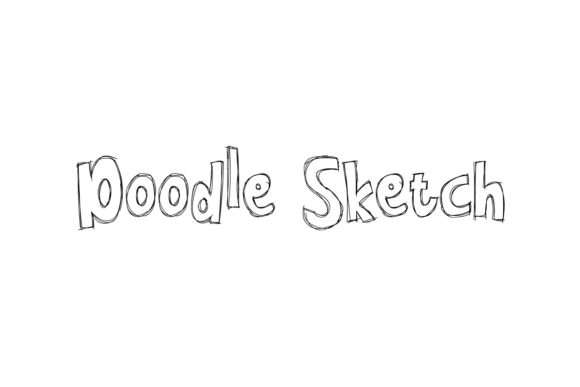
Doodle Sketch is categorized as a display font, which means it is intended for use at larger sizes rather than for long-form body text. Its primary visual characteristic is an "authentic" look that simulates the imperfections and textures of real-world writing surfaces. The strokes vary slightly in thickness, mimicking the pressure applied by a piece of chalk or a dry marker. This irregularity is not a flaw but a deliberate design choice that adds a personal and realistic feel to compositions.
The font’s style is best described as cute and simple. It avoids complex serifs or elaborate ligatures, opting instead for clear, legible forms that retain a playful energy. This simplicity ensures that while the font feels informal, it does not sacrifice readability. For designers seeking to evoke nostalgia, creativity, or a casual educational environment, Doodle Sketch provides a visual shorthand that communicates these concepts instantly without requiring additional graphical elements.
Primary Use Cases and Applications
The versatility of Doodle Sketch lies in its ability to adapt to specific thematic requirements. Because of its chalkboard-inspired appearance, it is particularly well-suited for projects related to education, workshops, and creative brainstorming sessions. Below are several scenarios where this font demonstrates strong utility:
- Educational Materials: Teachers and instructional designers often use Doodle Sketch for worksheets, lesson plan headers, and classroom signage. The font mirrors the medium used in traditional classrooms, creating a seamless bridge between digital content and physical learning environments.
- Chalkboard Quotes: Social media graphics featuring inspirational quotes or motivational sayings frequently utilize this style. The font allows digital designs to replicate the aesthetic of vintage chalkboards, adding warmth and personality to social posts.
- Creative Workshops and Events: Promotional materials for art classes, coding bootcamps, or team-building exercises benefit from the font’s informal tone. It suggests an environment that is hands-on, experimental, and welcoming.
- Personal Branding: Freelancers in creative fields may use Doodle Sketch for logo accents or business card details to signal a friendly, approachable brand voice.
Benefits of Using Doodle Sketch
Selecting the right typography involves weighing the advantages against potential limitations. Doodle Sketch offers several distinct benefits that make it a compelling choice for specific projects.
First, the font enhances emotional connection. Human-centered design principles suggest that users respond more positively to interfaces and materials that feel less robotic. The slight imperfections in Doodle Sketch trigger a perception of humanity, making the content feel more trustworthy and engaging. Second, it serves as a powerful visual anchor. In a sea of uniform Helvetica or Arial, a display font with texture and character can break up visual monotony and draw attention to key headlines or calls to action.
Additionally, Doodle Sketch is highly versatile within its niche. While it is specialized, it pairs well with clean, neutral sans-serif fonts. This combination allows designers to maintain hierarchy: using Doodle Sketch for impactful titles and a simpler font for supporting details. This pairing strategy maximizes readability while retaining the desired aesthetic flair.
Tradeoffs and Considerations
No single font is a universal solution, and Doodle Sketch comes with inherent tradeoffs that designers must manage. The most significant limitation is its suitability for body text. As a display font, Doodle Sketch lacks the consistency and spacing required for comfortable reading over extended passages. Using it for paragraphs can lead to eye strain and reduced comprehension. Therefore, it should be reserved for headlines, subheads, buttons, and short labels.
Another consideration is the risk of appearing unprofessional in certain contexts. While "cute" and "simple" are assets in educational or creative settings, they may undermine credibility in formal industries such as law, finance, or healthcare. In these sectors, precision and stability are valued over playfulness. Using Doodle Sketch in a corporate annual report or a legal contract could distract from the message and detract from the authority of the document.
Furthermore, legibility at small sizes can be an issue. The textured nature of the letters may blur when scaled down significantly, especially on low-resolution screens. Designers must test the font at various sizes to ensure it remains clear and distinct. If the goal is to create mobile-friendly micro-copy, a cleaner alternative is likely more appropriate.
Situations Where Alternatives May Be Preferred
While Doodle Sketch is effective for its intended purpose, there are situations where other typefaces might better serve the project’s goals. If the objective is to convey modernity, minimalism, or high-tech innovation, geometric sans-serifs or sleek neo-grotesques would be more aligned with those values. Similarly, if the design requires a sophisticated or elegant tone, serif fonts with refined proportions would offer greater gravitas.
For projects that require a handwritten feel but need higher legibility for longer texts, cursive or script fonts with consistent stroke weights might be preferable. These alternatives can provide a personal touch without the ruggedness of a chalkboard simulation. Additionally, if the target audience includes individuals with dyslexia or visual impairments, the irregularities in Doodle Sketch could potentially hinder readability, making a highly standardized sans-serif font a more inclusive choice.
Practical Decision-Making Insights
To determine whether Doodle Sketch aligns with your specific needs, consider the following decision-making framework:
- Define the Tone: Is the goal to appear friendly, creative, and informal? If yes, Doodle Sketch is a strong candidate. If the goal is serious, authoritative, or minimalist, look elsewhere.
- Analyze the Hierarchy: Will the font be used primarily for headlines and accents? If so, its display characteristics will shine. If it needs to carry heavy informational load, choose a body-text optimized font.
- Consider the Medium: Are you designing for print posters, social media graphics, or presentation slides? Doodle Sketch performs well in these large-format applications. For dense UI elements or app interfaces, test carefully for clarity.
- Evaluate Pairing Potential: Can you balance the font with a neutral companion? Successful designs using Doodle Sketch typically pair it with clean, simple fonts to create contrast and maintain structure.
In conclusion, Doodle Sketch is a specialized tool that excels in creating warm, authentic, and engaging visual communications. It is not a replacement for standard utility fonts but rather a complementary asset for enhancing specific emotional tones. By understanding its strengths in display usage and its limitations in body text, designers can make informed decisions that enhance their overall typographic strategy. When used judiciously, Doodle Sketch adds a layer of personality and realism that can significantly improve the impact of educational and creative materials.