Technophile Font Evaluation
In the landscape of digital and print design, typography serves as the primary vehicle for communication. The choice of typeface dictates not only readability but also the emotional resonance of a message. Among the myriad options available to designers, Technophile has emerged as a distinctive option characterized by its bold, robotic aesthetic. This evaluation explores the characteristics, applications, and strategic considerations of using Technophile in design projects, helping creators determine if it aligns with their specific visual goals.
Understanding the Technophile Typeface
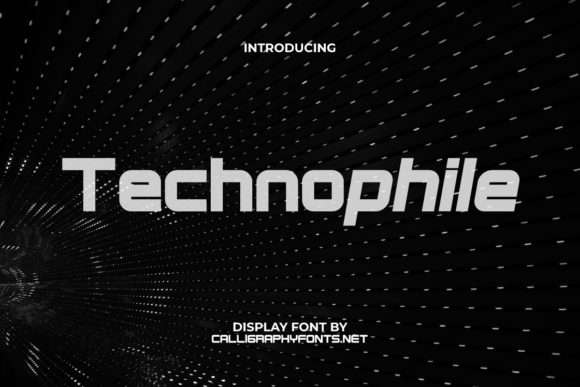
Technophile is categorized as a display font, meaning it is designed primarily for large sizes rather than body text. Its defining characteristic is its "cool, bold, and robotic" appearance. The letterforms often feature geometric precision, sharp angles, and a mechanical feel that evokes themes of technology, futurism, and industrial design. Unlike humanist sans-serifs which prioritize warmth and approachability, Technophile leans into a cold, efficient, and high-tech persona.
The font’s structure suggests a connection to machinery, code, or cybernetic systems. When rendered at larger scales, the weight and spacing create a strong visual impact that commands attention. It is not a subtle background element; it is intended to be a focal point. Designers often describe its look as "stunning" when used correctly, particularly in contexts where a modern, edgy, or futuristic vibe is required.
Strategic Applications and Use Cases
Selecting a typeface requires matching the font’s personality to the project’s intent. Technophile excels in scenarios where the goal is to convey innovation, speed, or technological advancement. Below are key areas where this font demonstrates significant utility:
- Event Posters: For tech conferences, hackathons, gaming tournaments, or electronic music festivals, Technophile provides an immediate visual cue about the event's theme. Its bold nature ensures legibility from a distance, making it ideal for flyers and promotional banners.
- Product Packaging: Electronics, software interfaces, and gadget accessories often benefit from the clean, precise lines of Technophile. It signals to the consumer that the product is modern and engineered with care.
- Branding and Logos: Startups in the AI, robotics, or cybersecurity sectors may find Technophile useful for logo construction. The robotic aesthetic can reinforce brand values related to reliability, precision, and forward-thinking.
- Digital Headers: On websites or app landing pages, using Technophile for hero headlines can create a striking first impression. It breaks away from the ubiquity of standard sans-serif fonts like Arial or Helvetica, offering a unique brand identity.
Benefits of Using Technophile
When evaluating Technophile, several advantages stand out for designers seeking a specific aesthetic:
- High Visual Impact: The bold weight and unique character shapes ensure that text stands out. In crowded visual environments, such as social media feeds or busy retail displays, Technophile helps content cut through the noise.
- Thematic Clarity: The font communicates its genre instantly. There is little ambiguity about the mood it sets. If a project requires a futuristic or industrial tone, Technophile reduces the need for additional graphical elements to convey that message.
- Versatility within Niche: While it is a display font, it can work well in combination with simpler, neutral body fonts. Pairing Technophile headlines with a clean, lightweight sans-serif creates a balanced hierarchy, allowing the display font to shine without overwhelming the reader.
- Print Quality: As noted in its description, Technophile looks stunning on print materials. The bold strokes hold up well against various paper stocks and printing techniques, including spot UV or foil stamping, enhancing the tactile experience of physical marketing materials.
Tradeoffs and Considerations
No typeface is a universal solution. Understanding the limitations of Technophile is crucial for effective design. Misapplication can lead to poor user experience or unintended perceptions.
Readability Constraints
Technophile is strictly a display font. It should not be used for paragraphs of body text, long-form articles, or small interface labels. The stylized, robotic nature of the letters can reduce legibility at small sizes. Attempting to use it for navigation menus or dense information blocks will likely frustrate users and hinder comprehension. Designers must respect the scale limitations of the typeface.
Tone and Audience Alignment
The "cool" and "robotic" attributes of Technophile may clash with brands aiming for warmth, tradition, or organic authenticity. A healthcare provider, a luxury heritage brand, or a community-focused nonprofit might find Technophile too aggressive or impersonal. In these cases, the font could alienate the target audience by suggesting a lack of human empathy or care.
Overuse Risks
Because Technophile is visually loud, overusing it can lead to visual fatigue. If every headline on a page uses Technophile, the design loses hierarchy and becomes monotonous. Strategic restraint is necessary; the font should be reserved for key moments of emphasis to maintain its impact.
Alternatives and Comparison
Depending on the specific nuance desired, other typefaces might serve similar purposes more effectively:
- For a Softer Tech Look: If the robotic edge is too harsh, consider a geometric sans-serif like Montserrat or Roboto. These offer modernity without the explicit industrial styling.
- For a More Aggressive Style: For extreme impact in gaming or heavy metal contexts, fonts like Oswald or custom stencil fonts might provide greater intensity.
- For Minimalist Tech: Brands preferring a cleaner, less stylized approach might opt for Futura or Gotham, which share geometric roots but lack the explicit "robotic" narrative.
Decision-Making Framework
To determine if Technophile is the right choice for your project, consider the following questions:
- What is the core message? Does the project emphasize technology, future trends, or industrial strength? If yes, Technophile is a strong candidate.
- Where will the text appear? Is it for posters, headers, or logos? If the usage involves large-scale display, proceed. If it involves body copy, select a different font.
- Who is the audience? Is the target demographic receptive to bold, modern, and edgy aesthetics? Younger, tech-savvy audiences are generally more aligned with this style.
- How will it be paired? Do you have a complementary body font ready? Successful designs using Technophile rely on contrast between the bold display type and simple, readable supporting text.
Ultimately, Technophile is a powerful tool for designers looking to inject a sense of futuristic precision into their work. By understanding its strengths in display contexts and respecting its limitations in readability and tone, creators can leverage its bold, robotic character to produce stunning and effective designs. Whether for a flyer, a poster, or a digital banner, exploring the endless possibilities of Technophile can elevate a project from ordinary to extraordinary, provided it is deployed with strategic intent.