Esgard: Integrating Graffiti Typography into Professional Design Workflows
In the landscape of modern graphic design, typography is rarely just about legibility; it is a primary vehicle for brand identity and emotional resonance. For professionals seeking to inject energy, rebellion, or urban authenticity into their projects, Esgard offers a specialized solution. As a graffiti-themed font, Esgard bridges the gap between street art aesthetics and commercial viability, allowing designers to maintain high standards of quality while exploring edgy visual languages.
This article explores how to integrate Esgard into various creative workflows, from initial concept development to final production. Whether you are a logo designer, a marketing specialist, or a content creator, understanding the practical application of this typeface can significantly enhance the impact of your deliverables.
Understanding the Role of Esgard in Visual Communication
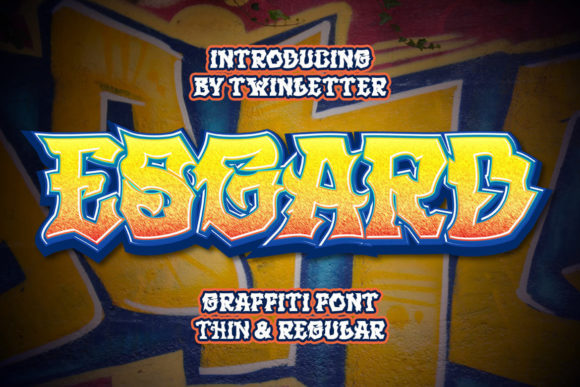
Esgard is not merely a decorative element; it is a strategic tool. Its design characteristics—bold strokes, dynamic angles, and a raw, hand-drawn feel—make it particularly suitable for contexts where standing out is paramount. However, using such a distinctive typeface requires a nuanced approach to ensure it complements rather than overwhelms the overall design.
The versatility of Esgard allows it to function across multiple mediums:
- Product Logos: It adds an immediate sense of attitude and modernity to consumer goods, particularly in fashion, beverages, and lifestyle brands.
- Poster Titles & Headlines: The font’s strong presence ensures that key messages grab attention instantly in crowded visual environments.
- Packaging Design: On shelves, Esgard helps products break through visual noise, appealing directly to younger demographics or niche markets.
- Film Titles & Logotypes: For entertainment media, it sets a tone of intensity, creativity, or counterculture relevance.
By recognizing these specific use cases, designers can plan their projects more effectively, selecting Esgard only when the brand narrative aligns with its inherent personality.
Pre-Production: Strategic Planning and Contextual Fit
Before opening any design software, the integration of Esgard begins with strategic planning. A common mistake is adopting a trendy font without considering its long-term applicability or audience reception. To avoid this, evaluate whether the "graffiti" aesthetic aligns with your project's core values.
Audience Alignment
Adults aged 20–50 represent a diverse demographic. While some may associate graffiti culture with youth subcultures, others view it as a legitimate form of artistic expression and urban sophistication. Use Esgard when targeting audiences that value authenticity, creativity, and non-conformity. If your target market consists of conservative corporate entities or traditional institutions, this typeface may create unnecessary friction.
Brand Consistency Check
Assess your existing brand assets. Does Esgard clash with your current color palette, imagery style, or voice? Successful implementation requires harmony. If your brand relies on minimalism and clean lines, Esgard might serve well as a contrasting accent rather than a primary body text. Conversely, if your brand is already bold and expressive, Esgard can reinforce that identity.
Execution: Technical Implementation and Design Best Practices
Once the decision to use Esgard is made, the focus shifts to technical execution. This phase involves ensuring the font renders correctly, scales appropriately, and integrates seamlessly with other design elements.
Pairing with Complementary Typefaces
One of the most critical aspects of working with display fonts like Esgard is pairing them with neutral, highly readable sans-serif or serif fonts. Because Esgard is visually complex, it demands simplicity in its companions. For instance:
- Primary Header: Use Esgard for the main title or logo lockup.
- Supporting Text: Pair it with a clean geometric sans-serif (e.g., Helvetica Now, Montserrat) for subtitles, body copy, or call-to-action buttons.
This contrast ensures that the message remains accessible. The eye rests on the striking Esgard headline, then moves effortlessly to the informative supporting text.
Scalability and Legibility Testing
Graffiti fonts often feature intricate details that can disappear at small sizes. Before finalizing any asset, test Esgard across various dimensions:
- Digital Screens: Check readability on mobile devices where space is limited.
- Print Materials: Verify that fine lines do not bleed during printing processes, especially on textured packaging materials.
- Large Format: Ensure the font holds up on billboards or large banners without losing its structural integrity.
If legibility suffers at smaller scales, consider simplifying the layout or increasing the spacing (kerning and tracking) to improve clarity.
Post-Production: Quality Control and Asset Management
The workflow does not end when the design is exported. Proper management of Esgard files ensures consistency across future projects and prevents legal or technical issues.
Licensing Verification
Always verify the licensing terms associated with Esgard. Commercial usage typically requires a specific license, distinct from personal use. Misusing a font can lead to costly legal repercussions. Ensure you have purchased the appropriate rights for your intended application, whether it is web embedding, print distribution, or merchandise production.
File Organization
For teams collaborating on projects, standardizing font usage is essential. Create a centralized resource library where Esgard is stored alongside its paired fonts. Include guidelines on:
- Minimum size requirements.
- Recommended background colors for contrast.
- Examples of approved and disapproved uses.
This organization reduces friction during revisions and ensures that every team member applies the typeface consistently.
Advanced Applications: Enhancing Specific Project Types
Beyond standard layouts, Esgard can be leveraged in more advanced creative scenarios to add depth and texture to your work.
Packaging and Merchandise
In the realm of product packaging, tactile experience matters. When designing labels for coffee bags, apparel tags, or cosmetic bottles, Esgard’s rugged aesthetic can be enhanced with specific print finishes. Consider using spot UV coating, embossing, or foil stamping to highlight the graffiti-style contours. This physical interaction elevates the perceived value of the product, making the typography part of the sensory experience.
Social Media Campaigns
For marketers and bloggers, social media requires rapid engagement. Esgard is ideal for creating eye-catching thumbnails, story overlays, and promotional graphics. Its bold nature cuts through the scroll-heavy environment of platforms like Instagram and TikTok. However, limit its use to headlines within these graphics. Overuse of complex fonts in short-form video captions can hinder accessibility and readability.
Film and Event Graphics
In film titles or event posters, atmosphere is everything. Esgard can convey urgency, excitement, or underground credibility. When integrating this font into motion graphics, consider animating the letters to mimic the act of spraying paint or rough sketching. This animation reinforces the font’s origin story and creates a memorable visual hook for the audience.
Maintaining Long-Term Relevance
Trends in design evolve rapidly. While graffiti-inspired typography has seen surges in popularity, its longevity depends on thoughtful application. To keep your projects feeling fresh rather than dated, treat Esgard as a powerful accent rather than a crutch.
Regularly audit your designs to ensure they remain relevant. Ask yourself:
- Does this use of Esgard still feel authentic to our brand?
- Is the pairing with other fonts still effective?
- Are we respecting the cultural context of the graffiti aesthetic?
By maintaining a critical eye and adhering to best practices in usability and accessibility, you can leverage Esgard to create work that is not only visually striking but also professionally robust.
Conclusion
Esgard is more than just a font; it is a stylistic choice that carries significant weight in visual communication. Its suitability for product logos, poster titles, packaging, and film titles makes it a valuable asset for creators aiming to make a bold statement. By approaching its integration with careful planning, technical precision, and respect for context, designers can harness its full potential.
Whether you are launching a new brand, redesigning a campaign, or producing independent art, applying Esgard thoughtfully will help your projects stand out. Start by defining your goals, choose your pairings wisely, and execute with attention to detail. In doing so, you transform a simple typeface into a cornerstone of your creative identity.