Psychotype: A Bold Psychedelic Display Font for Creative Projects
In the world of visual communication, typography is rarely just about readability. It is about voice, attitude, and immediate emotional impact. When you need a typeface that commands attention without relying on clutter, Psychotype emerges as a compelling choice. This psychedelic uppercase typeface offers a distinct aesthetic that bridges the gap between retro counterculture vibes and modern graphic design needs. Whether you are designing a concert poster, branding a new lifestyle product, or crafting a digital headline, Psychotype provides the structural boldness required to make your message stick.
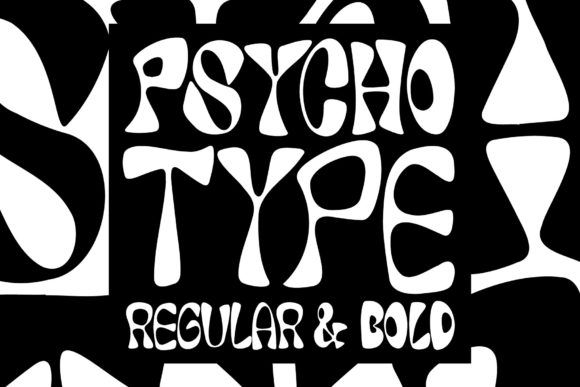
The font’s defining characteristic is its uppercase-only structure combined with fluid, organic curves that mimic the visual language of the 1960s and 70s psychedelic art movement. However, unlike many display fonts that become illegible at scale, Psychotype maintains a high degree of clarity. The letters are thick, confident, and slightly distorted in a way that feels intentional rather than chaotic. This balance makes it suitable for a wide range of applications, from small-scale merchandise to large-format billboards.
Understanding the Aesthetic Appeal
Why does Psychotype resonate with designers and creators today? The answer lies in its ability to evoke nostalgia while remaining fresh. The "psychedelic" label often brings to mind swirling colors and complex patterns, but Psychotype achieves this effect through shape alone. The irregular serifs and varying stroke widths create a sense of movement, as if the letters themselves are vibrating or melting slightly. This kinetic energy draws the eye immediately, making it an excellent tool for breaking through the noise of crowded digital feeds or printed media.
For professionals aged 20–50 who value both heritage and innovation, Psychotype serves as a versatile bridge. It references the era of Woodstock and underground zines but is constructed with clean vector lines that render perfectly on high-resolution screens. This duality allows it to fit seamlessly into contemporary minimalist designs when paired with ample white space, or into maximalist compositions where it acts as the central anchor. The key to using Psychotype effectively is understanding that it is a statement font; it speaks loudly, so it should not be overwhelmed by competing elements.
Creative Applications and Use Cases
The versatility of Psychotype extends far beyond simple text display. Its unique character set and bold presence make it ideal for several specific creative domains. Below are practical ways to integrate this typeface into your workflow:
- Tattoo Design and Body Art: The organic, flowing nature of the uppercase letters translates beautifully to skin. Artists can use Psychotype for names, dates, or short phrases that require a rugged yet artistic feel. The thickness of the strokes ensures longevity and legibility as the tattoo ages, while the psychedelic curves add a personal, expressive touch that standard block fonts lack.
- Album Covers and Music Posters: For musicians and event organizers, Psychotype captures the essence of rock, indie, and experimental genres. It works exceptionally well for band names or tour dates. When paired with grainy textures or vibrant gradient overlays, the font enhances the auditory experience visually, setting the tone before a single note is heard.
- Book and Magazine Titles: Editors looking to give their publications a distinctive edge will find Psychotype useful for section headers or main titles. Because it is uppercase only, it forces a concise approach to copywriting, encouraging punchy, impactful headlines. It pairs well with serif body text, creating a sophisticated contrast between the rigid display font and the readable narrative text.
- Brand Identity for Lifestyle Products: Small business owners in the craft beer, cannabis, vintage clothing, or artisanal coffee sectors often seek brands that feel authentic and rooted in culture. Psychotype supports this narrative. Using it for logos or packaging labels can instantly communicate a brand personality that is bold, unapologetic, and creatively driven.
Strategic Implementation for Maximum Impact
Using a display font like Psychotype requires more than just dragging and dropping it onto a canvas. To ensure your designs remain professional and effective, consider these strategic approaches:
- Limit Your Palette: Since Psychotype is visually dense, keep background colors simple. Solid blacks, deep blues, or warm creams allow the letterforms to stand out without visual competition. If you must use color, let the font be the primary source of vibrancy.
- Pair with Neutral Typefaces: Balance the eccentricity of Psychotype with understated sans-serif or classic serif fonts for supporting information. This hierarchy guides the viewer’s eye, ensuring they notice the headline first and read the details second. Avoid pairing it with other decorative fonts, as this can create visual chaos.
- Embrace Negative Space: Give the letters room to breathe. The organic shapes of Psychotype expand and contract visually; crowding them with other elements diminishes their impact. Generous kerning and leading can enhance the premium feel of the design.
- Consider Contextual Adaptation: While the font is designed for uppercase, think about how it interacts with lowercase elements in your layout. Using Psychotype for a single word within a sentence can act as a powerful emphasis tool, drawing attention to key concepts without disrupting the flow of reading.
Technical Considerations for Creators
When working with Psychotype, remember that it is a display font, meaning it is intended for short bursts of text rather than long paragraphs. Overusing it can lead to reader fatigue and reduce the overall effectiveness of your communication. Reserve it for headlines, quotes, logos, and cover art. For body copy, stick to highly legible typefaces that prioritize accessibility and ease of reading.
Additionally, pay attention to resolution. Because Psychotype features intricate curves and potential overlaps in certain letter combinations, ensure your final output is exported at a high DPI (dots per inch) for print or uses scalable vector graphics (SVG) for web. This preserves the integrity of the psychedelic shapes and prevents pixelation that could detract from the professional quality of the work.
Conclusion
Psychotype is more than just a font; it is a design decision that signals confidence and creativity. By leveraging its psychedelic uppercase forms, creators across various industries can produce work that is memorable, stylish, and distinctly human. Whether you are a freelancer pitching a bold new campaign, an educator designing engaging course materials, or a hobbyist printing custom t-shirts, Psychotype offers the visual weight needed to elevate your project. Use it wisely, pair it thoughtfully, and let its unique character drive your creative narrative forward.