John Mike: A Technical Evaluation of a Sci-Fi Display Typeface
In the landscape of digital typography, the distinction between a functional body font and a stylistic display font is critical. While readability drives the former, impact drives the latter. John Mike occupies a specific niche within this spectrum, offering a design language that leans heavily into techno aesthetics and sci-fi themes. For designers, developers, and brand strategists tasked with creating visual identities that demand immediate attention, understanding the precise utility of such a typeface is essential. This evaluation examines John Mike not merely as a decorative element, but as a strategic tool for web design, print media, and branding applications where a unique, futuristic touch is required.
Defining the Visual Identity
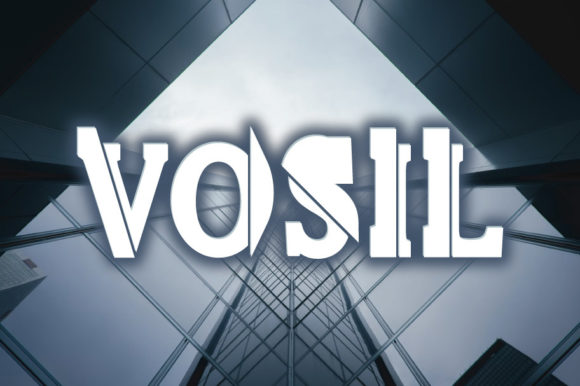
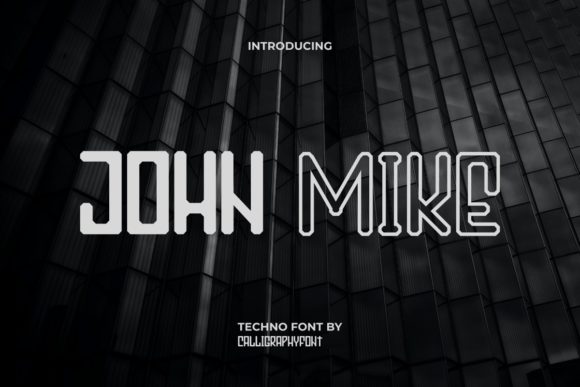
At its core, John Mike is engineered to convey a sense of advanced technology, precision, and modernity. The character structure typically features geometric rigidity combined with stylized distortions that evoke the interface of a high-tech device or a futuristic narrative setting. Unlike traditional serif or sans-serif fonts that prioritize neutrality, John Mike is inherently expressive. It does not whisper; it projects.
The font’s appeal lies in its ability to simulate the look of digital code, laser etching, or holographic displays without sacrificing legibility at larger sizes. This makes it particularly effective for headlines, logos, and cover art. When analyzing its visual characteristics, one observes a deliberate departure from organic curves in favor of sharp angles and uniform stroke weights. This consistency creates a cohesive visual rhythm that aligns well with minimalist yet aggressive design trends common in the tech and gaming industries.
Key Characteristics and Design Strengths
Evaluating a typeface requires looking beyond initial impressions to understand its structural integrity and versatility. John Mike exhibits several key strengths that make it a valuable asset in specific creative workflows:
- Distinctive Geometric Structure: The letters are constructed with a clear architectural logic. This geometric foundation ensures that the font remains stable even when subjected to extreme scaling or distortion effects.
- High Contrast Potential: Due to its bold and often heavy weight options, John Mike provides excellent contrast against both light and dark backgrounds. This is crucial for dark-mode interfaces, which are increasingly standard in user experience (UX) design.
- Thematic Cohesion: The font carries an inherent narrative. Using John Mike immediately signals to the audience that the content is related to technology, science fiction, cybersecurity, or innovation. It reduces the need for additional graphical elements to establish context.
- Stylized Details: Subtle variations in letterforms, such as cut corners or extended terminals, add personality without cluttering the design. These details help prevent the font from appearing generic or like a standard system font.
However, it is important to note that these strengths are also limitations when applied incorrectly. The very features that make John Mike striking—its heavy styling and thematic specificity—render it unsuitable for long-form body text. Attempting to use it for paragraphs would result in visual fatigue and reduced comprehension, violating fundamental principles of typographic hierarchy.
Practical Applications in Digital and Print Media
The true value of John Mike is realized when it is deployed in contexts where brevity and impact are prioritized over volume. Below are several scenarios where this typeface demonstrates its practical utility.
Web Design and User Interfaces
In web design, typography plays a pivotal role in establishing brand voice. John Mike is exceptionally well-suited for hero sections, landing page headers, and call-to-action buttons. Its techno aesthetic aligns seamlessly with websites focused on software development, artificial intelligence, robotics, or cyber security. By using John Mike for primary headings, designers can create an immersive atmosphere that reinforces the technical nature of the service being offered.
Furthermore, in UI/UX design, the font can be used for status indicators, error messages, or data labels where a futuristic or "system-like" appearance is desired. However, care must be taken to ensure sufficient spacing (kerning and tracking) to maintain readability on smaller screens.
Business Cards and Corporate Identity
For entrepreneurs and freelancers in the tech sector, business cards serve as a tangible extension of their digital presence. A standard Helvetica or Arial card may blend into the background, but a card featuring John Mike commands attention. When used sparingly—for instance, only on the company name or logo—the font can elevate the perceived sophistication and modernity of a brand.
This application is particularly effective for small businesses aiming to differentiate themselves in crowded markets. The font’s unique touch suggests innovation and forward-thinking, qualities that are highly valued by clients in the technology industry. It transforms a simple piece of paper into a branded artifact.
Event Posters and Promotional Materials
In the realm of marketing and events, visual hierarchy is everything. John Mike excels in poster design, flyers, and social media graphics where the goal is to capture interest within seconds. Its sci-fi aesthetic is naturally aligned with tech conferences, product launches for new gadgets, hackathons, and gaming tournaments. The font’s boldness ensures that key information stands out, reducing the cognitive load on the viewer.
When paired with complementary design elements such as neon colors, grid lines, or glitch effects, John Mike becomes part of a cohesive visual system that amplifies the overall message. It acts as an anchor, providing stability amidst more chaotic graphic elements.
Audience Fit and Strategic Considerations
Not every project benefits from the use of a display font as specialized as John Mike. Understanding who should and should not use this typeface is crucial for maintaining professional standards.
Ideal Users
- Tech Startups and SaaS Companies: Brands that want to communicate cutting-edge capability and reliability will find John Mike aligns with their corporate identity.
- Creative Agencies: Designers looking for a reliable tool to quickly establish a futuristic theme for client projects involving technology or entertainment.
- Freelance Developers and Gamers: Individuals building personal portfolios or streaming overlays who wish to project a cool, edgy, and technically proficient image.
- Publishers in Niche Genres: Authors or publishers specializing in science fiction, cyberpunk, or technological thrillers who need cover art that resonates with genre conventions.
Less Suitable Contexts
Conversely, John Mike is generally inappropriate for formal financial reports, educational textbooks, legal documents, or healthcare communications. In these fields, clarity, tradition, and trustworthiness are paramount, and the aggressive, stylized nature of John Mike may undermine credibility. Additionally, brands aiming for a warm, human-centric, or organic aesthetic will likely find the font too cold and mechanical.
Quality, Usability, and Long-Term Value
From a production standpoint, the quality of John Mike appears robust. The vector paths are clean, and the glyph set is sufficient for standard Latin-based languages. This usability ensures that designers do not encounter frequent issues with missing characters or rendering errors across different platforms and browsers. Consistency is maintained across various weights, allowing for flexible typographic scales within a single project.
Regarding long-term value, display fonts often face the risk of becoming dated as design trends shift. However, because John Mike taps into enduring archetypes of technology and futurism, it possesses a degree of timelessness. While specific styles may come and go, the association between geometric, techno fonts and innovation remains strong. Therefore, investing in a license for John Mike offers good value for professionals who frequently engage with tech-oriented projects.
Conclusion and Final Recommendations
John Mike is a specialized instrument in the designer’s toolkit. It is not a general-purpose font, nor should it be treated as one. Its strength lies in its specificity: it delivers a distinct, high-impact visual style that communicates technology, precision, and modernity. When used correctly—in headlines, logos, and promotional materials—it enhances the perceived value of a project and engages the target audience effectively.
For professionals seeking to add a unique, sci-fi inspired touch to their work, John Mike provides a reliable and aesthetically pleasing solution. The key to success lies in restraint. Use it to highlight, not to fill. Let it frame your message rather than obscure it. By respecting its limitations and leveraging its strengths, designers can create compelling visual narratives that resonate with contemporary audiences. In a digital world saturated with generic templates, a font like John Mike offers a pathway to differentiation, helping brands stand out through thoughtful and intentional typographic choices.